Introduction
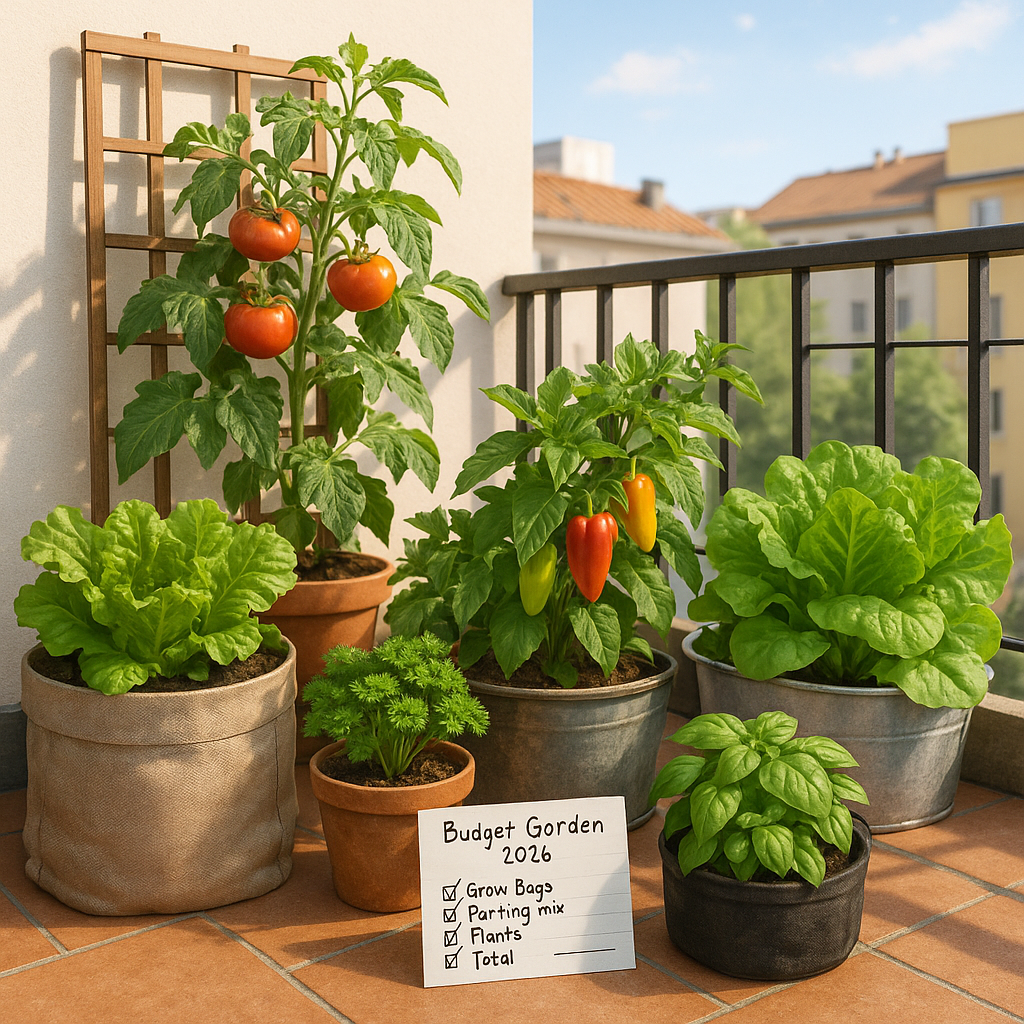
The cost to start a balcony vegetable garden may be only $20–$75 for a beginner setup—not the hundreds of dollars people sometimes expect. A few practical choices can go a long way: reuse buckets or food-safe containers, then start with productive crops such as lettuce, herbs, radishes, or a compact tomato plant.
Small space, real harvests. If your balcony gets six to eight hours of sunlight, several containers can produce a useful amount of food, though wind, weight limits, and local growing conditions all matter. As of early 2026, this guide gives realistic budget ranges for several setup sizes and explains which supplies you actually need.
Here’s the thing: keeping costs down does not mean neglecting plant health. You’ll also find a simple setup process, practical ways to avoid unnecessary spending, and a look at common mistakes that can raise the final bill. The guide covers likely harvest sizes, routine maintenance, and seasonal replacement purchases, too. Treat the figures as planning estimates, since prices vary by location, retailer, container size, and whether you grow from seeds or buy nursery plants.
What Is the Cost to Start a Balcony Vegetable Garden?
So, what is the cost to start a balcony vegetable garden? For most people, it falls somewhere between $25 and $500 or more in 2026. That is a wide range, admittedly, but the reason is simple: a few reused containers cost very little, while a complete setup with planters, lighting, and automated watering adds up quickly. This is the one-time investment that makes your balcony ready for growing food.
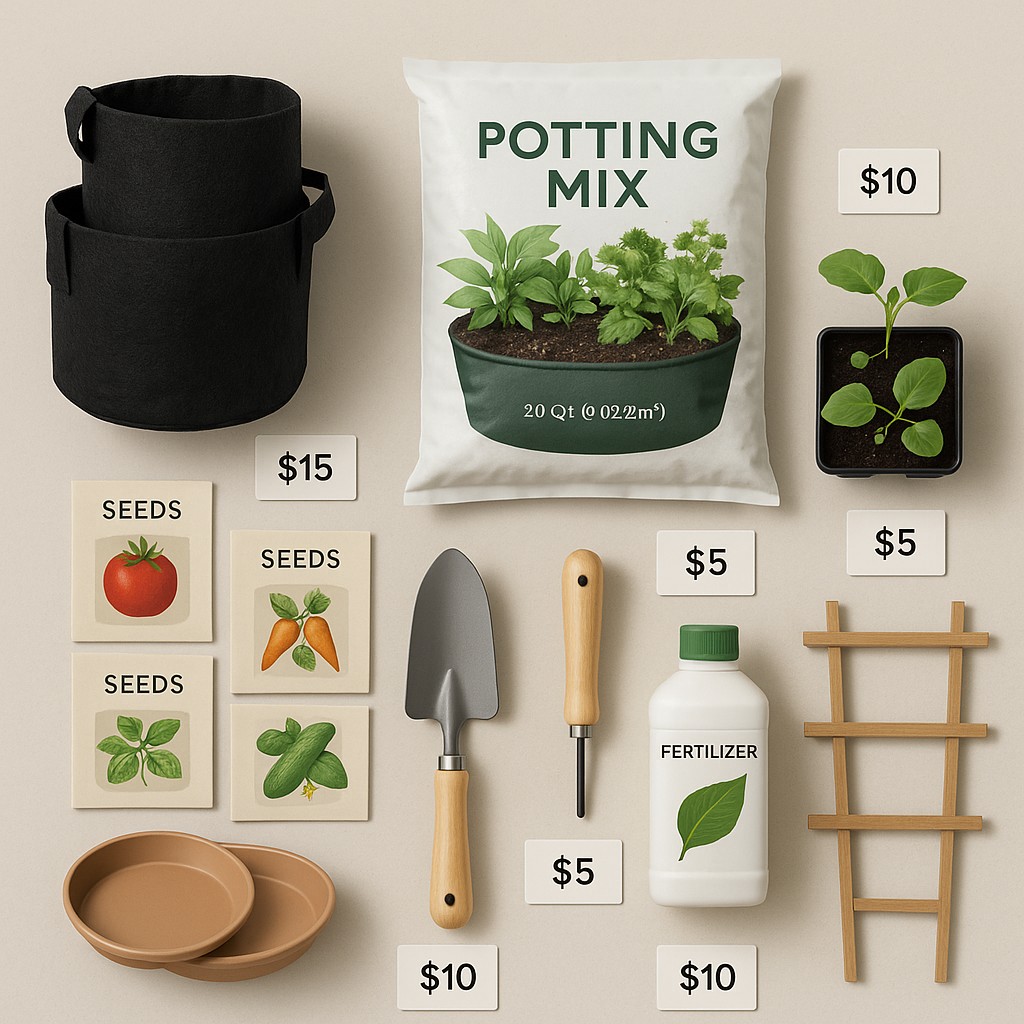
A realistic balcony garden startup cost depends on several practical details: the size and number of containers, local prices, the amount of balcony space available, and whether you start with seeds or buy mature plants. The approximate US figures below reflect retailer checks from January 2026, along with container-growing guidance from the University of Minnesota Extension. Think of them as planning figures, not fixed prices.
Three Realistic Startup Budgets
A frugal setup usually costs about $25–$60. Recycled buckets or food-safe containers may cost nothing, leaving seeds, potting mix, fertilizer, and drainage trays as the main expenses. With a little improvisation, this budget can handle three tomato or pepper plants, leafy greens, and several herbs—as long as the containers have proper drainage holes.
A practical beginner setup runs closer to $75–$175. That typically covers four to six sturdy containers, seedlings, good-quality potting mix, basic plant supports, and a small hand tool. It is a comfortable starting point for three productive tomato or pepper plants, several greens, and herbs, with enough flexibility to plant another round later in the season.
Then there is the polished setup, at $200–$500 or more. Decorative planters, trellises, grow lights, saucers, and automated watering can push the total upward fast. The balcony may look neater and require less daily attention, but here’s the thing: a higher price tag does not automatically mean a bigger harvest.
| Item | Typical 2026 prices | Reusable? |
|---|---|---|
| Containers and planters | $0–$180 | Yes |
| Potting mix | $10–$45 | Partly |
| Seeds or seedlings | $3–$60 | Seeds often |
| Fertilizer | $6–$25 | Usually no |
| Drainage trays | $5–$35 | Yes |
| Trellis, lighting, or watering system | $0–$250+ | Usually |
- Essential: containers, potting mix, seeds or seedlings, drainage, and suitable fertilizer.
- Optional: decorative planters, trellises for compact crops, grow lights, and automated watering.
One-Time Costs Versus Recurring Costs
It helps to think of startup purchases as you would kitchen equipment. Containers, trays, hand tools, and trellises can often last for several growing seasons, while seeds or seedlings, fertilizer, replacement potting mix, plant ties, and water are recurring costs. Mature plants usually cost more at the register than seed packets, but they shorten the wait for your first harvest.
By the second year, a balcony vegetable garden budget can be noticeably lower. Save viable seeds, make leaf or kitchen-scrap compost where local rules allow, clean durable containers, and reuse potting mix after removing old roots. Rather than replacing all of it, refresh the mix with compost and fertilizer. One exception: throw away any mix associated with diseased plants.
If you want to start with a smaller companion project, the Balcony Herb Garden for Beginners: The Ultimate 2024 Guide can help you choose inexpensive crops that you will actually use.
How Much Does It Cost to Start a Balcony Vegetable Garden by Setup Type?
After choosing inexpensive, useful crops, the cost to start a balcony vegetable garden usually falls somewhere between $25 and $300 in 2026. The setup makes the biggest difference: recycled containers are the budget option, while self-watering planters and vertical systems raise the container vegetable garden cost but may save space and daily effort.

| Setup type | Estimated cost | Best crops and balcony fit | Main trade-off |
|---|---|---|---|
| Recycled containers | $25–$75 | Herbs, greens, radishes; any balcony with safe floor space | Lowest price, but less uniform appearance and more frequent watering |
| Fabric grow bags | $40–$100 | Peppers, compact tomatoes, greens; medium or large balconies | Lightweight and foldable, but they dry quickly |
| Railing or window boxes | $45–$130 | Lettuce, basil, radishes; narrow balconies | Saves floor space, but mounting hardware must be secure |
| Self-watering planters | $80–$220 | Tomatoes, peppers, herbs; hot or travel-prone locations | Less daily watering, higher initial price and greater weight |
| Compact vertical garden | $70–$250 | Herbs, greens, strawberries, and climbing beans | Uses little floor area, but requires stability and careful crop selection |
Need help matching containers to crops? The University of Minnesota Extension offers useful guidance on container sizes and plant spacing. A five-gallon container works well for one compact tomato or pepper, whereas herbs and lettuce can manage with much less soil. Larger containers cost more at first, but the added soil volume supports bigger crops and helps prevent watering stress.
Recycled Containers and Grow Bags
Food-safe buckets, nursery pots, and low-cost fabric grow bags can keep the balcony garden cost to roughly $25–$100. They work for herbs, salad greens, radishes, peppers, and compact tomatoes, provided the containers drain properly and give each plant enough room.
Here’s the thing: not every recycled container is suitable. Use vessels that previously held food or clean water, and avoid anything that contained pesticides, solvents, oil, or other chemicals because residues may remain in the plastic. Grow bags are wonderfully light and easy to put away, but their porous fabric loses moisture faster than plastic, particularly on a sunny, windy balcony.
Self-Watering and Vertical Setups
Self-watering planters include a reservoir beneath the soil, essentially creating a small water tank. They are handy for travelers, hot climates, or anyone who cannot water plants every day. A compact vertical garden uses shelves, pockets, or a trellis, which can make a real difference when floor space is scarce.
The convenience comes at a price. Reservoirs, frames, and sturdy brackets add to the bill, and they may add substantial weight as well. Check the balcony’s weight rules, keep water tanks within safe limits, and secure tall systems against wind. A vertical trellis should never block an exit or create a falling-object hazard.
Worked Example: A $100–$110 Beginner Garden
On a 6-by-8-foot balcony, four containers and one vertical trellis can fit without taking over the whole floor. Here is a practical balcony garden cost breakdown based on typical U.S. retail planning prices for 2026:
- Four plastic pots or grow bags: $28
- Two bags of potting mix: $24
- Seeds for greens, radishes, and herbs: $12
- Two starter tomato or pepper plants: $14
- Vegetable fertilizer: $8
- Four saucers: $8
- Basic hand trowel: $6
- Simple vertical trellis: $10
Total: $110. Want to bring it closer to $100? Put off the trellis, use saucers you already have, or grow both tomatoes from seed. Food-safe recycled buckets can lower the starting cost even more.
What Supplies Do You Actually Need for a Balcony Vegetable Garden?
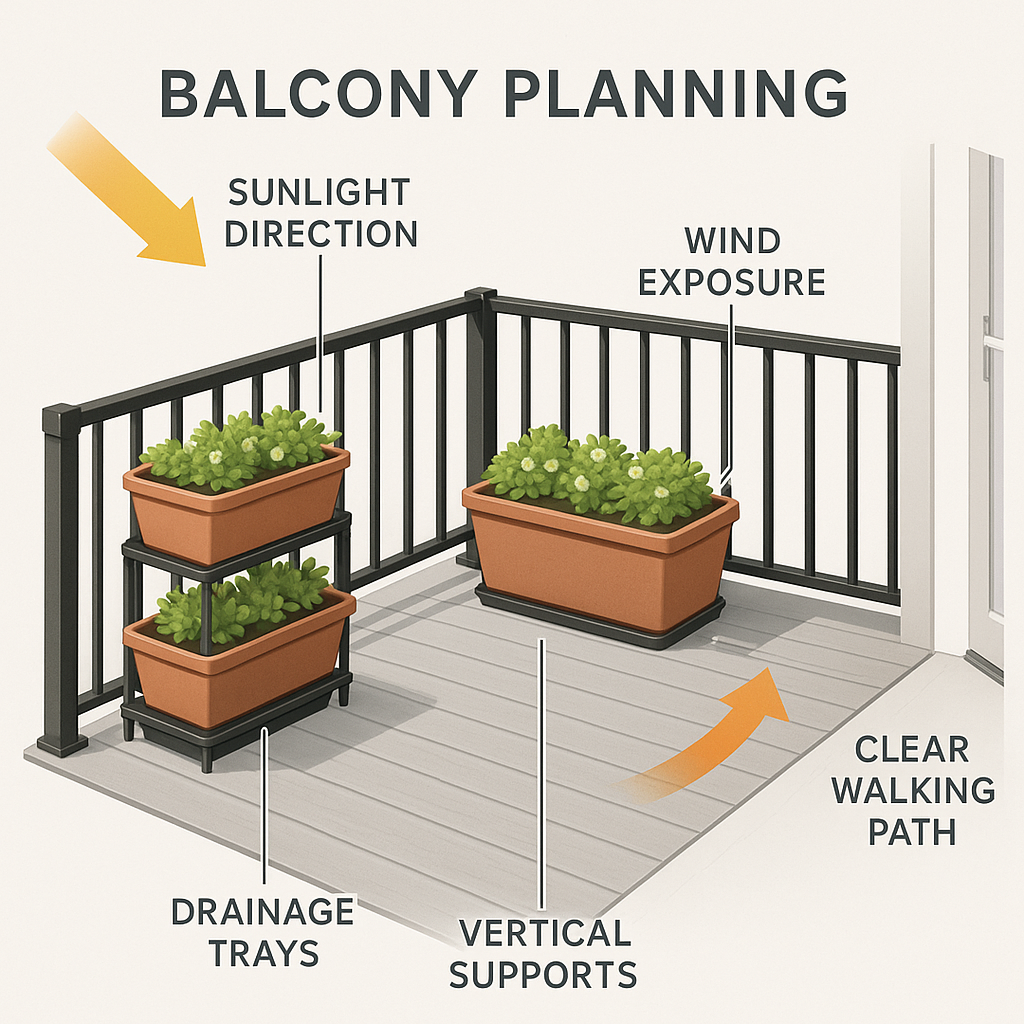
The cost to start a balcony vegetable garden usually comes down to containers, potting mix, and safety measures—not the seeds themselves. Here’s the thing: your balcony’s sunlight, wind exposure, drainage, and weight limits should guide what you buy, rather than a one-size-fits-all shopping list.
The Essential Shopping List
Start with the crops you want to grow, then choose containers that provide enough room for their mature roots. Lettuce and herbs are comfortable in shallow pots, while compact tomatoes generally need a considerably larger, stable container.
- Containers with drainage holes: Choose food-safe pots or recycled containers that are appropriately sized for each crop.
- Potting mix: This lightweight, engineered growing medium drains well while holding air around the roots. Ordinary garden soil is usually too dense for containers and may compact or stay overly wet.
- Drainage trays: Trays collect runoff and help protect walls, balconies below, and building drains. Empty them after a bout of heavy watering.
- Seeds or starter plants: Look for varieties described as compact, patio, or container-friendly.
- Watering can and organic fertilizer: A narrow spout makes it easier to water neatly, while fertilizer replenishes nutrients that regular watering gradually carries away.
That list covers the basic balcony vegetable garden supplies. For help planning crops, sunlight, and placement, see the site’s Urban Gardening guide. If herbs are your main focus, the balcony herb garden guide is the better fit.
| Supply | Usually needed? |
|---|---|
| Trellis or plant supports | Yes for peas, beans, and tomatoes; secure them against wind. |
| Shade cloth | Only when intense afternoon heat causes leaf scorch. |
| Moisture meter | Optional, though useful if you tend to overwater or spend time away from home. |
| Grow light | Worth considering when natural sunlight is insufficient, especially for indoor growing. |
Overlooked Balcony Safety and Weight Costs
Wet growing medium weighs far more than a dry bag might lead you to expect. Water alone weighs 8.34 pounds per U.S. gallon, according to the U.S. Geological Survey. So, a 10-gallon container may take on more than 80 pounds of water, before you add the pot and potting mix.
That combined weight is a structural load—the weight a balcony is expected to support. Before bringing in several large planters, ask your landlord or property manager about building rules and load limits. If anything is unclear, get confirmation from a qualified professional. A railing or slab should never be assumed to support concentrated garden weight.
Protect plants from strong wind, spread containers out instead of clustering them, and never place unsecured pots where they could fall. Keep drains open, check for leaks, and use trays without interfering with runoff. These safeguards are essential balcony gardening equipment—not decorative extras.
How to Start a Balcony Vegetable Garden on a Budget
Wind protection belongs in the budget, too. To keep the cost to start a balcony vegetable garden under control, put your money into productive crops, properly sized containers, and dependable potting mix—not decorative equipment. A quick site assessment and a simple harvest plan can cut balcony garden costs before you spend anything.
- Measure the space. Write down the usable length and width, railing clearance, spots exposed to strong wind, and the location of every door and drain. For container volume, multiply length × width × depth, then divide by 231 to estimate the number of gallons.
- Track sun hours for one full day. Check the balcony at 8 a.m., noon, 3 p.m., and 6 p.m., recording where direct sunlight falls. The University of Minnesota Extension’s container-gardening guidance recommends choosing crops that fit your available light instead of trying to grow sun-loving plants in deep shade.
- Confirm building rules and drainage. Check with property management about weight limits, railing attachments, water runoff, and restricted materials. Saucers or a drainage tray can catch overflow, but they should not block the container’s drainage holes.
- Choose high-value crops. Give priority to vegetables and herbs that keep producing or tend to cost more at the grocery store. Compact varieties are especially useful; they are bred to stay shorter or take up less room.
- Buy or reuse supplies. Compare the price of seed packets, nursery starter plants, and safe food-grade containers. A DIY balcony vegetable garden can include clean buckets, tubs, or crates, provided they are sturdy, opaque, and drained properly.
- Plant by your US growing zone. Use the USDA Plant Hardiness Zone Map for perennial herbs, and check your local extension service for frost dates when growing annual vegetables. A well-timed planting usually matters more than saving a couple of dollars on a plant.
- Create a watering routine. In hot weather, feel the top inch of potting mix each morning. Water slowly until a little excess runs out of the drainage holes. A recurring phone reminder helps prevent both wilted plants and needless overwatering.
Choose Crops That Pay Back the Investment
I tend to compare crops using four practical measures: how much space they need, how soon they produce a first harvest, whether they can be harvested repeatedly, and what they typically cost at the grocery store. Seeds are usually my first choice for greens and herbs because one packet can cover several sowings. For a slow-starting tomato or pepper, though, I may buy a nursery transplant if the growing season is short. That earlier harvest can make the higher upfront price worthwhile.
- Sunny balcony: Try one compact cherry tomato, one pepper, a pot of basil, and a shallow box of cut-and-come-again lettuce. Pick the outer lettuce leaves as needed; tomatoes and peppers can continue producing for several weeks.
- Partially shaded balcony: Parsley, cilantro, mint in its own container, and salad greens are sensible choices. They handle lower light better and often provide a quicker harvest than fruiting crops.
Succession planting simply means sowing a small new batch after an earlier batch germinates or gets harvested. For instance, sow lettuce every two weeks over six weeks rather than purchasing six mature plants at one time. Here’s the benefit: your spending stays connected to your harvest plan, and one unusually hot week is less likely to wipe out the entire crop.
Save Money Without Reducing Plant Health
Seed swaps, community garden exchanges, and end-of-season sales can be good sources for containers, stakes, and unopened seed packets. Nursery starter plants make sense for one or two specialty crops, but seeds generally offer the lowest unit cost for lettuce, basil, cilantro, and radishes. I also avoid buying a full pallet of soil. Getting only what the chosen containers require means less waste and fewer storage headaches.
- Reuse: Clean plant pots, sturdy food-grade buckets, and plastic saucers left over from previous plants.
- Start seeds indoors: A bright window can work for inexpensive crops, as long as indoor growing does not push planting past the local frost schedule.
- Protect plant health: Use fresh, lightweight potting mix and containers that have drainage holes.
Do not use containers that held chemicals, treated wood, or unidentified industrial materials. Heavy garden soil tends to compact in pots, and a poor-quality mix may retain too much water. Skipping drainage might save a few minutes, but damaged roots can force you to replace plants—often costing more than the original setup.
First-month timeline: In week one, measure the balcony, observe its sun hours, and confirm the building rules. During week two, choose crops, find containers, and start seeds if needed. In week three, fill the containers and plant according to local temperatures. By week four, thin seedlings, install supports, and check whether the watering routine is actually working.
Common Costly Mistakes and Expert Tips for 2026
The cost to start a balcony vegetable garden can climb surprisingly quickly when plants, containers, or soil are poorly matched to the space. I start with five practical questions: How much sun reaches the balcony? How large will each plant become? Does the container drain well? How strong is the wind? And what harvest is realistic? Those answers prevent a lot of wasted purchases.
The Most Expensive Beginner Errors
Many costly mistakes start with something that seems like a bargain. A $6 shallow pot might hold a tomato seedling for a while, but cramped roots can leave the plant stressed and unproductive. Lose five plants at roughly $4 apiece, and that “cheap” choice has already cost more than one properly sized 5-gallon container.
| Mistake | Why it costs more | Lower-cost fix |
|---|---|---|
| Buying too many plants | Unused seedlings expire before harvest. | Start with two or three crops and record harvest yield. |
| Using garden soil | It compacts in containers and harms drainage. | Use a quality container mix; see University of Minnesota Extension guidance. |
| Ignoring sunlight and wind | Low light causes plant stress; wind can snap stems and dry pots. | Observe the balcony’s microclimate—the local light, heat, and wind pattern—for a week before buying. |
| Overwatering | Waterlogged roots invite disease and shorten plant life. | Check the top inch of mix with a finger before watering. |
Set aside some money for replacement soil after each season, particularly if pests or root disease have affected a container. A quick weekly leaf check can reveal aphids, mites, and chewing insects before they spread. Honestly, basic pest control is usually much cheaper than replacing an entire crop.
Where to Spend More and Where to Spend Less
- Spend most on appropriate containers and growing medium. Stable, correctly sized pots and an airy mix give roots the space, drainage, and reliable feeding conditions they need.
- Next, improve drainage and watering reliability. Drainage holes, a saucer, and a simple moisture check will often do more for plants than a $40 gadget.
- Buy healthy plants or reliable seeds. Disease-free starts are worth paying for, but buying more varieties than the balcony can support is simply wasted money.
- Add support structures only for crops that need them. A sturdy tomato cage or trellis protects stems far better than decorative accessories.
- Spend least on decoration. Painted pots and novelty tools may look appealing, but they rarely add to the harvest.
Grow lights make sense if the balcony gets fewer than about six hours of direct sun and growing plants indoors is practical. Automatic irrigation can also earn its keep for frequent travelers or anyone managing many containers, but only after the basics—light and drainage—are in place. My balcony garden tips are straightforward: track expenses alongside harvest weights, rotate crops between containers each season, and fix the growing conditions before buying another product.
Final buying rule: pay extra only when a product directly improves root space, drainage, light, watering consistency, or plant support—and when it should last beyond one growing season. Otherwise, choose the simplest functional option. That is usually where the better value is.
Frequently Asked Questions
So, what is the cost to start a balcony vegetable garden? If you leave out optional accessories, expect to spend about $25–$110 for a basic or small setup, depending on what you already have at home. The best value usually comes from choosing productive crops and buying only the supplies your balcony actually needs.
What is the cheapest way to start a balcony vegetable garden?
Reuse safe containers and grow from seed; that keeps a basic setup around $25–$60. Spend your first dollars on drainage, a quality growing medium, and seeds for forgiving crops such as lettuce, radishes, and herbs. Honestly, there is no need to buy every gardening gadget at the start.
How much does a small balcony garden cost?
A small balcony garden generally costs about $50–$110. That amount can cover several containers, growing medium, seeds or starter plants, saucers, and a simple support for climbing crops. The final figure depends mostly on the number and size of containers you choose.
What vegetables are easiest to grow on a balcony?
Leaf lettuce, bush beans, radishes, peppers, and cherry tomatoes are dependable choices. Look for compact varieties bred for containers, since they tend to mature well in limited space. The University of Minnesota Extension also lists many of these crops as suitable for container growing.
Can I use regular garden soil in balcony containers?
No. Regular garden soil is usually too dense for containers, which can slow drainage and leave roots without enough air. Use a commercial container mix or a properly formulated soilless medium instead. It may feel like a small detail, but it has a big effect on plant health.
How many hours of sunlight does a balcony vegetable garden need?
Most fruiting vegetables, including peppers and tomatoes, need at least six hours of direct sunlight each day. Leafy greens are more forgiving and can manage with less, though their growth may be slower and their harvests smaller. Check the balcony at different times before deciding where to place each container.
Are balcony vegetable gardens worth the cost?
Usually, yes—especially for herbs, lettuce, and other crops that can be harvested repeatedly. A $3 seed packet can produce several rounds of greens, while the containers and supports can be used again in later seasons. That reuse is where a small balcony garden starts to make especially good financial sense.
Conclusion
Those repeat harvests help keep the cost to start a balcony vegetable garden manageable: roughly $25 for a recycled-container experiment, or $200 and up for a larger, more convenient setup. Honestly, starting small is often the better value.
Put the first part of your budget toward a few productive crops, safe containers, good-quality potting mix, dependable drainage, and an honest look at how much sunlight your balcony receives. Those basics do more for plant health than a pile of unnecessary extras.
Reuse suitable supplies whenever you can. Keep a simple record of which crops thrive in your conditions, too; that little bit of tracking can lower future costs and help each season go more smoothly.
Choose a budget, measure the balcony, and plant a small first garden in 2026.
Leave a Reply