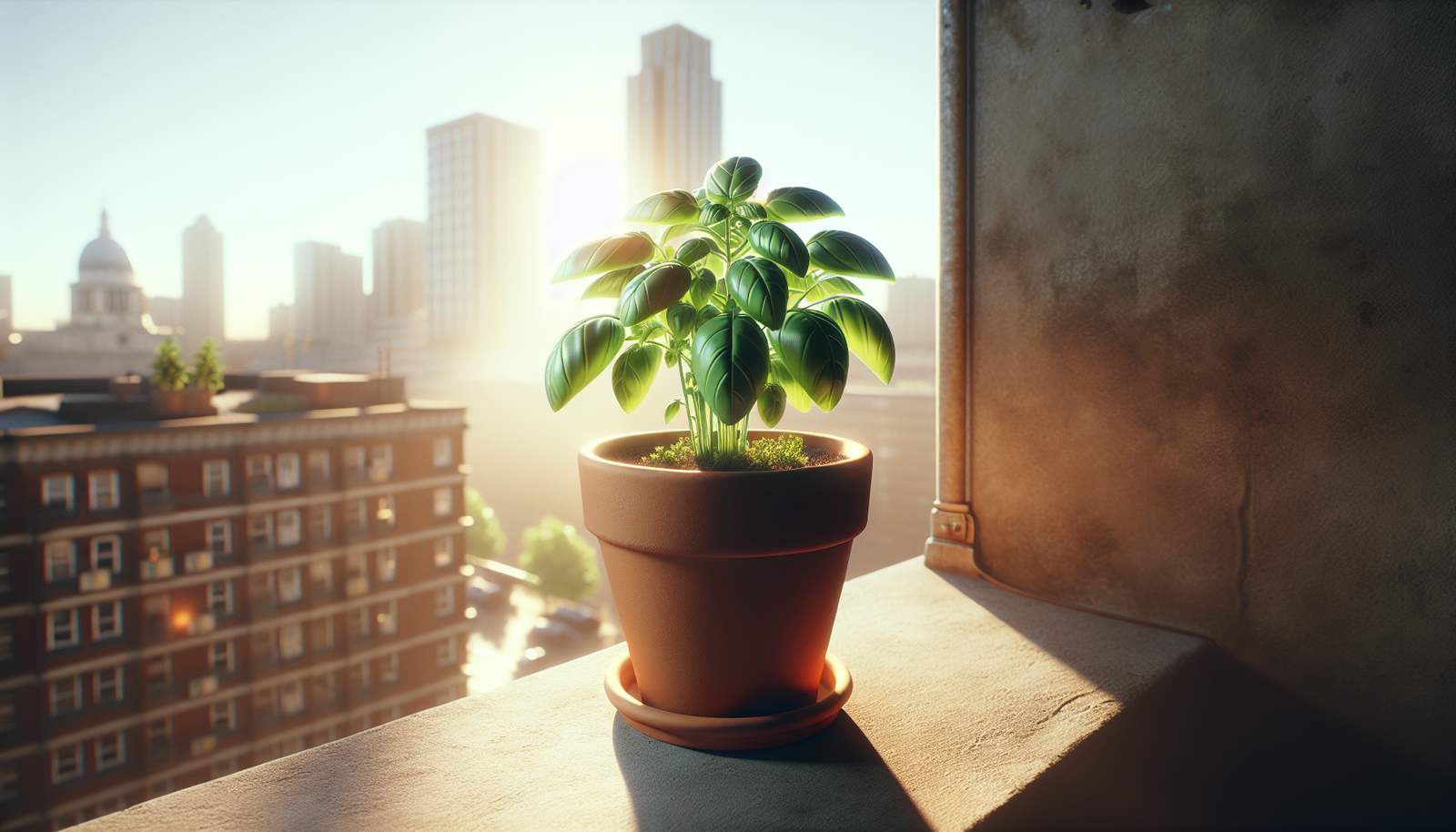
Have you ever wondered how much green you could add to your apartment balcony, rooftop, or windowsill?
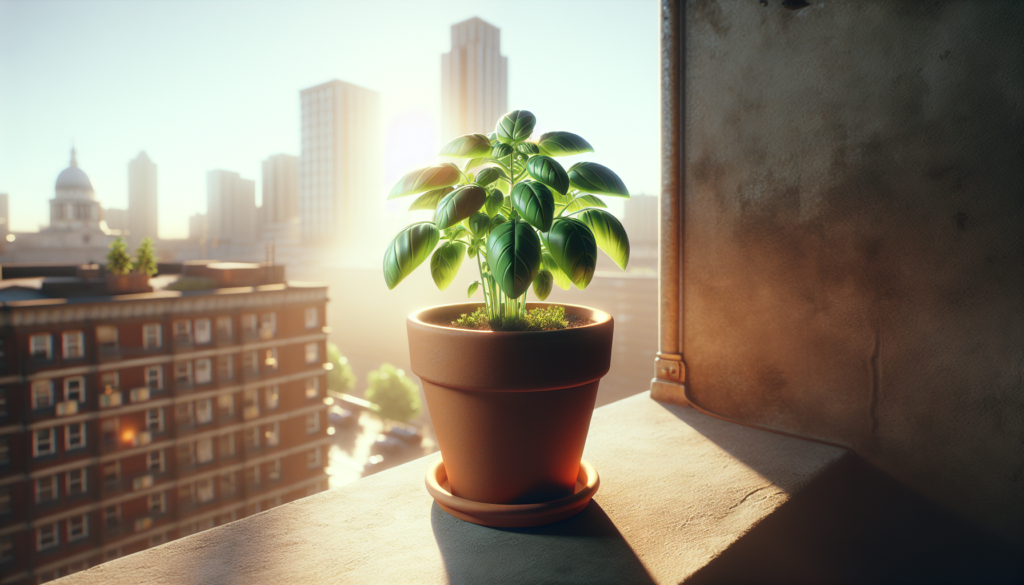
Urban Gardening Essentials for City Spaces
Urban gardening gives you the chance to bring nature into your everyday life, even when space is limited. In this guide you’ll find practical strategies, plant recommendations, and step-by-step instructions to help you create a productive, low-maintenance city garden that fits your lifestyle and space.
Why urban gardening matters
You can make a big difference by gardening in a small space. Urban gardening improves your quality of life, helps the environment, and reconnects you with the source of your food.
Health and well-being
Growing plants has proven mental and physical health benefits for you. Caring for plants reduces stress, increases physical activity, and gives you fresh, flavourful produce right at home.
Environmental benefits
Your urban garden can help pollinators, reduce the heat island effect, and capture some rainfall. Even small green patches contribute to biodiversity and cleaner air in dense neighborhoods.
Food security and savings
You can reduce grocery bills and enjoy fresher, more nutritious food by growing herbs, greens, and some vegetables. With smart planning, you’ll harvest high-value crops from compact spaces.
Assessing your space
Before you buy anything, evaluate your available area and its limitations. Different city spaces—balconies, fire escapes, windowsills, rooftops—need different solutions.
Common urban garden locations
Every urban location has unique pros and cons, and your plant choices and equipment will follow from those constraints.
| Space type | Pros | Cons | Best uses |
|---|---|---|---|
| Balcony | Private, easier to store supplies | Weight limits, wind exposure | Containers, vertical planters, herbs, small veggies |
| Rooftop | Lots of sun, large area possible | Structural load, water runoff rules | Raised beds, larger vegetables, fruit trees in containers |
| Windowsill | Protected, convenient for herbs | Limited depth and sunlight | Herbs, microgreens, succulents |
| Fire escape | Good vertical potential | Safety restrictions, limited depth | Hanging pots, rail planters, climbers |
| Community garden plot | Larger soil access, community support | Travel to site, shared maintenance | Full-scale vegetable gardening, perennials |
Measuring light and microclimates
You should map sunlight throughout the day to know what you can grow. Notice morning vs. afternoon sun, wind exposure, and reflected heat from nearby buildings; these will create microclimates that influence plant choice and placement.
Light requirements and plant selection
Understanding light is one of the most useful skills in urban gardening. You’ll make better plant choices and place plants where they’ll thrive.
Types of light exposure
Light matters more than most beginners realize. Classify your spot as full sun, partial sun/partial shade, or full shade based on how many hours of direct sun it receives.
| Light level | Hours of direct sun | Suitable plants |
|---|---|---|
| Full sun | 6+ hours | Tomatoes, peppers, basil, most annuals |
| Partial sun/shade | 3–6 hours | Leafy greens, beets, herbs like parsley |
| Shade | <3 hours< />d> | Lettuce (some varieties), many herbs (mint), ferns, houseplants |
How to maximize limited light
If your sunlight is limited, place light-loving plants closest to windows and use reflective surfaces (light-coloured walls, mirrors) to boost light. Rotate containers regularly so all sides receive light.
Choosing containers
The right container keeps roots healthy and simplifies watering. Choose containers based on plant needs, weight limits, and aesthetics.
Container types and materials
You have many choices: terracotta, plastic, metal, fabric grow bags, or wooden planters. Each material affects moisture retention, insulation, and weight.
| Material | Pros | Cons | Best use |
|---|---|---|---|
| Terracotta | Breathable, attractive | Heavy, dries out faster | Mediterranean plants, succulents |
| Plastic | Lightweight, inexpensive | Can overheat, less breathable | Balcony gardens, beginners |
| Metal | Modern look, durable | Can heat up and damage roots | Limited use with insulation |
| Fabric (grow bags) | Excellent aeration, light | May dry faster | Potatoes, tomatoes, deep-root plants |
| Wood | Good insulation, natural | Can rot if not treated | Raised planters, larger vegetables |
Container size guide
You should match container depth and volume to plant root systems. Shallow containers are fine for herbs; deep-rooted crops need larger pots.
| Plant type | Minimum container depth |
|---|---|
| Herbs | 6–8 inches (15–20 cm) |
| Leafy greens | 8–10 inches (20–25 cm) |
| Bush tomatoes/peppers | 12–18 inches (30–45 cm) |
| Small root crops (radish) | 6–8 inches (15–20 cm) |
| Carrots/beets | 12–15 inches (30–38 cm) |
| Small fruit trees (dwarf) | 18–24+ inches (45–60+ cm) |
Drainage and potting tips
You must ensure good drainage to prevent root rot. Use pots with drainage holes, and add a layer of coarse material or a well-draining potting mix. Elevate heavy pots on pot feet if water runoff is a concern.
Potting mixes and soil
City gardeners rely on potting mixes rather than ground soil. You’ll want a mix that drains well yet retains enough moisture.
What makes a good potting mix
A quality mix blends aeration, moisture retention, and nutrients. Typical components include peat or coconut coir (moisture retention), perlite or vermiculite (aeration), and compost or slow-release fertilizer (nutrients).
| Mix type | Typical components | Best for |
|---|---|---|
| All-purpose potting mix | Peat/coir, perlite, compost | Most container vegetables and flowers |
| Seed starting mix | Fine peat/coir, vermiculite | Seeds and cuttings |
| Cactus/succulent mix | Coarse sand, perlite, small peat | Succulents, drought-tolerant plants |
| Heavy vegetable mix | Coir, compost, perlite, worm castings | Tomatoes, peppers, heavy feeders |
DIY potting mix recipes
You can blend your own mixes to save money and tailor mixes to your plants.
- Basic vegetable mix: 3 parts coir or peat + 2 parts compost + 1 part perlite.
- Herb/leafy green mix: 2 parts coir + 1 part compost + 1 part perlite + small handful of slow-release organic fertilizer.
- Succulent mix: 2 parts coarse sand + 1 part perlite + 1 part potting soil.
Watering and irrigation
Watering in urban gardens is both art and science. Overwatering is a common mistake, but your pots will dry faster than garden beds.
How to know when to water
Check soil moisture by pressing your finger an inch or two into the mix. If it’s dry at that depth, it’s time to water. Also observe plant behaviour: wilting, dull leaves, or slowed growth can signal underwatering, while yellowing leaves and mushy stems indicate overwatering.
Efficient watering methods
You should consider self-watering containers, drip lines, and wicking systems to conserve water and reduce maintenance. These systems deliver water directly to the roots and lower evaporation.
| System | Pros | Cons |
|---|---|---|
| Hand watering | Cheap, precise | Time-consuming |
| Drip irrigation | Efficient, scalable | Initial setup required |
| Self-watering pots | Low-maintenance | May encourage shallow roots |
| Wicking planters | Conserve water, simple | Not suitable for all plant types |
Watering schedule examples
Watering frequency depends on container size, plant type, and weather. Use the following as a guideline, and adjust for your conditions:
- Small pots (under 6 inches): daily in warm months.
- Medium pots (6–12 inches): every 2–3 days.
- Large pots (12+ inches): every 3–7 days.
- Use more frequent watering for heat waves and less for cool, cloudy periods.
Choosing plants for city spaces
Select plants based on your light, space, and culinary preferences. Many compact and productive varieties were bred especially for containers and small spaces.
Best edible plants for urban gardens
You’ll get the most return from leafy greens, herbs, and compact fruiting plants. These give frequent harvests and fit well in containers.
| Plant | Light needs | Container size | Time to harvest | Notes |
|---|---|---|---|---|
| Basil | Full sun | 6–8 in | 6–8 weeks | Pinch regularly for bushy growth |
| Lettuce (leaf) | Partial sun | 6–8 in | 4–6 weeks | Harvest outer leaves continuously |
| Cherry tomatoes | Full sun | 12–18 in | 60–75 days | Use determinate or patio varieties |
| Spinach | Partial sun | 8–10 in | 4–6 weeks | Prefers cooler weather |
| Radish | Full sun | 6–8 in | 3–4 weeks | Quick reward for beginners |
| Peppers | Full sun | 12–18 in | 60–90 days | Benefit from warm microclimates |
| Mint | Partial sun | 8–10 in | 6–8 weeks | Aggressive—best in its own pot |
| Strawberries | Full sun | 8–12 in | 12–16 weeks | Great in hanging baskets |
Ornamental and pollinator-friendly plants
You should include flowers that attract bees and butterflies, such as calendula, nasturtium, and borage. They support pollination and make your space more vibrant.
Vertical gardening and space-saving techniques
When horizontal space is limited, look up. Vertical systems multiply your growing area by using walls, rails, and trellises.
Vertical options and tips
You can use trellises for climbers, pocket planters for herbs, and stacked planters or towers for strawberries and leafy greens. Be sure mountings and supports are secure, and consider weight when filling with soil and water.
Using trellises and supports
You should grow vining crops such as cucumbers and pole beans on trellises to save floor space. Train plants early and use clips or twine to guide growth.
Companion planting and crop rotation
Even in containers, you can use companion planting to enhance growth and deter pests. Rotate crops between seasons or pots to reduce soil-borne disease buildup.
Simple companion pairings
Plant basil near tomatoes to improve flavour and possibly deter pests. Marigolds can reduce some nematode problems. Pair shallow-rooted herbs with deeper-rooted vegetables to maximize pot real estate.
Rotating in containers
You should change the family of crops grown in a container each season where possible (e.g., avoid planting tomatoes in the same pot year after year). Refresh the potting mix periodically or add compost to replenish nutrients.
Fertilization and nutrient management
Container plants rely on you for nutrients. Regular feeding keeps plants productive without overwhelming them.
Types of fertilizers
Choose between organic options (compost, worm castings, fish emulsion) and synthetic fertilizers (balanced N-P-K mixes). Slow-release granules give steady nutrition, while liquid feeds provide a quick boost.
| Fertilizer type | Pros | Cons | When to use |
|---|---|---|---|
| Compost | Improves soil structure, slow-release | Bulky, nutrient levels vary | At potting and top-dressing |
| Worm castings | Rich in micronutrients | Can be pricey | Seedlings and potting mix |
| Liquid organic (fish/seaweed) | Quick uptake, gentle | Smell, needs frequent application | Vegetative growth boosts |
| Synthetic balanced | Precise N-P-K | Can build up salts | When targeted correction needed |
Feeding schedule
Feed leafy crops with a higher nitrogen ratio during active growth, and switch to a higher phosphorus and potassium balance when encouraging fruiting. Generally, feed light feeders every 3–4 weeks and heavy feeders (tomatoes, peppers) every 1–2 weeks during the growing season.
Composting in small spaces
You can compost even without a backyard. Small-space composting methods will turn food scraps into valuable soil amendments.
Urban composting methods
Vermicomposting (worms), bokashi (fermentation), and countertop composters are well-suited to apartments. Each has pros and cons for space, smell, and maintenance.
| Method | Space required | Speed | Pros | Cons |
|---|---|---|---|---|
| Worm bin | Small indoor bin | Moderate | High-quality castings | Needs maintenance, temperature sensitive |
| Bokashi | Small bucket system | Fast (when fermented) | Handles meat/dairy | Requires secondary composting or burying |
| Countertop composter | Very small | Moderate | Convenience | Limited capacity |
| Community compost drop-off | No home space | Depends | Large volume handled | Travel to site required |
Using your compost
You should mix finished compost into potting mixes or use it as a top-dressing to add nutrients and improve water retention.
Pest and disease management
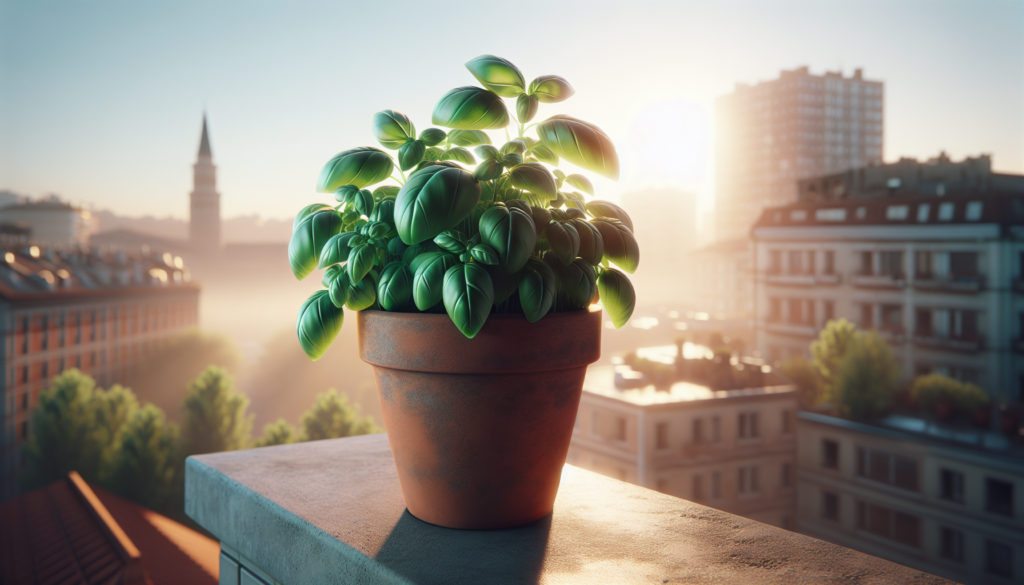
Pests and diseases are common but manageable in city gardens. Prevention and monitoring will keep issues small.
Common urban garden pests
Aphids, whiteflies, spider mites, slugs, and snails are frequent invaders. Rats and pigeons can also be problems in some areas; secure food waste and protect plants.
Organic control strategies
You should use companion plants, physical barriers (netting), handpicking, and biological controls (ladybugs, predatory mites) where appropriate. Homemade sprays like diluted neem oil or insecticidal soap can help control soft-bodied insects.
Disease prevention
Prevent disease by providing good airflow between containers, avoiding overhead watering, cleaning tools, and using pathogen-free starter mixes and seeds.
Tools and supplies
A small set of tools will make your gardening tasks easier and more enjoyable. You don’t need a full shed—just the essentials.
Essential tool checklist
You should have these basics on hand:
- Hand trowel and transplanter
- Pruning shears
- Watering can or hose with gentle nozzle
- Soil moisture meter or simple finger test habit
- Gloves
- Plant supports (stakes, twine, trellis)
- Small rake or cultivator
| Tool | Why it’s useful |
|---|---|
| Trowel | Transplanting, potting, digging |
| Pruners | Harvesting and pruning dead growth |
| Watering can | Gentle watering for delicate seedlings |
| Gloves | Protect hands from soil and blisters |
| Soil tester | Quick checks for moisture/pH (optional) |
Safety, legal, and building considerations
You must check building rules and safety before adding heavy planters, drilling into railings, or overflowing water.
Structural and safety tips
Verify weight limits for balconies or rooftops, avoid overhanging planters that might fall, and use trays to prevent water damage. If you rent, get permission from your landlord for major changes.
Local regulations and neighbor relations
Some buildings and HOAs have restrictions on visible planters or water use. You should communicate with building managers and neighbours if you’re planning a large installation.
Seasonal care and planning
Planting calendars and protection strategies will help you maintain productivity year-round.
Planning by season
Plan cool-season crops (lettuce, spinach, peas) for spring and fall, and warm-season crops (tomatoes, peppers, basil) for late spring through summer. Use lightweight covers or frost cloth for unexpected cold snaps.
Protection from extremes
You should windproof balconies with screens, shade plants during strong heat using shade cloth, and move containers out of intense sun to avoid root stress. Insulate pots in winter with bubble wrap or move them to sheltered spots.
Budget-friendly tips
You don’t need to spend a lot to build a productive garden. Smart sourcing and DIY projects go a long way.
Thrifty strategies
Repurpose buckets, wooden pallets, and old gutters for planters. Swap seeds with neighbours, collect rainwater for irrigation where allowed, and save seeds from annuals to reduce future costs.
Where to find bargains
Check local buy-nothing groups, community tool libraries, or plant swaps. Local extension programs often offer free workshops and seed starting resources.
Step-by-step starter plan for a balcony garden
If you’re ready to begin, follow these practical steps to set up a small balcony garden in one weekend and start harvesting within weeks.
- Assess your balcony for sun, wind, and weight constraints. Measure usable space.
- Choose 2–3 container types and sizes to match your plant goals (herbs + one fruiting plant).
- Select plants suited to your light (e.g., basil, lettuce, cherry tomatoes).
- Acquire potting mix and containers, ensuring drainage holes and saucers.
- Plant seeds or seedlings according to spacing and depth recommendations.
- Install a trellis or support for climbing plants if needed.
- Set up a watering routine and consider self-watering pots for weekends away.
- Begin with light feeding after 3–4 weeks using an organic liquid fertilizer.
- Monitor for pests weekly and prune as necessary for airflow.
- Harvest regularly and enjoy the freshness.
Troubleshooting common problems
You’ll encounter issues as you learn, but most have simple solutions if you know what to check first.
Yellow leaves
Yellowing can mean overwatering, nutrient deficiency, or lack of light. Check soil moisture, adjust feeding, or move the plant to a brighter spot.
Leggy seedlings
Seedlings stretching for light need more exposure or supplemental grow lights. Thin overcrowded seedlings and start seeds closer to light sources.
Poor fruit set
If tomatoes or peppers aren’t setting fruit, your plants may be too cold at night, too dry, or not receiving enough nutrients. Ensure adequate pollination by gently tapping flowers or attracting pollinators.
Persistent pests
If pests keep returning, remove heavily infested plants, introduce beneficial insects if possible, and practice good sanitation (clean pots, rotate crops).
Expanding beyond containers
When you’re ready to grow more, consider joining a community garden plot, building a rooftop bed, or trying small-scale hydroponics.
Community gardens and shared spaces
Joining a local garden plot gives you more growing space and community knowledge. You’ll often find shared tools, bulk compost, and experienced gardeners who will help you scale up.
Soilless systems and hydroponics
You can increase yield per square foot using hydroponics or aquaponics if you want a soil-free system. These require more setup and monitoring but can be highly productive in small footprints.
Resources and further learning
Keep learning from trustworthy sources and experiment to find what works for your microclimate. Local extension services, gardening books, and neighborhood gardeners are good resources.
Quick list of useful resources
- Local cooperative extension for region-specific advice
- Gardening forums and local social groups for plant swaps and troubleshooting
- Books on container gardening and season-specific crops
- Apps for plant identification, watering reminders, and journal-keeping
Final encouragement
You don’t need a backyard to create a thriving garden—just curiosity, a little planning, and consistent care. Start with a few manageable containers and learn from each season; your space will grow greener and more productive over time. With patience and experimentation you’ll find a rhythm that fits your city life and brings fresh food and beauty right to your doorstep.