?Have you ever wondered how to turn a tiny balcony, a vacant lot, or a rooftop into a productive, beautiful green space that feeds you and lifts your spirits?
Urban Gardening Tips for Thriving City Spaces
Urban gardening is more than a hobby — it’s a toolkit for improving food security, biodiversity, mental health, and neighborhood resilience. This guide gives you practical strategies for container gardening, high tunnels, green roofs, community gardens, controlled environment agriculture (CEA), and more. You’ll find crop-specific advice for tomatoes and herbs, methods for handling contaminated soil, ways to attract pollinators (or keep bees), and suggestions for tools and materials that work well in tight city spaces.
Where to Start: Assessing Your Space and Goals
Before planting, you should identify your goals (food, beauty, wildlife habitat, community building) and map the resources you have: sunlight, wind, water access, and space constraints. Take note of shade patterns through the day, test soil if you plan in-ground beds, and check local regulations (some cities have rules about rooftop loads, rain barrels, or beekeeping).
- Sunlight: Most vegetables need 6–8 hours of direct sun; herbs and microgreens can tolerate less.
- Water: Plan how you’ll irrigate — from a balcony tap, rain barrels, or a drip system.
- Structure: Rooftops and balconies have weight limits; containers and lightweight soil mixes help reduce load.
Container Gardening: Grow Food Anywhere
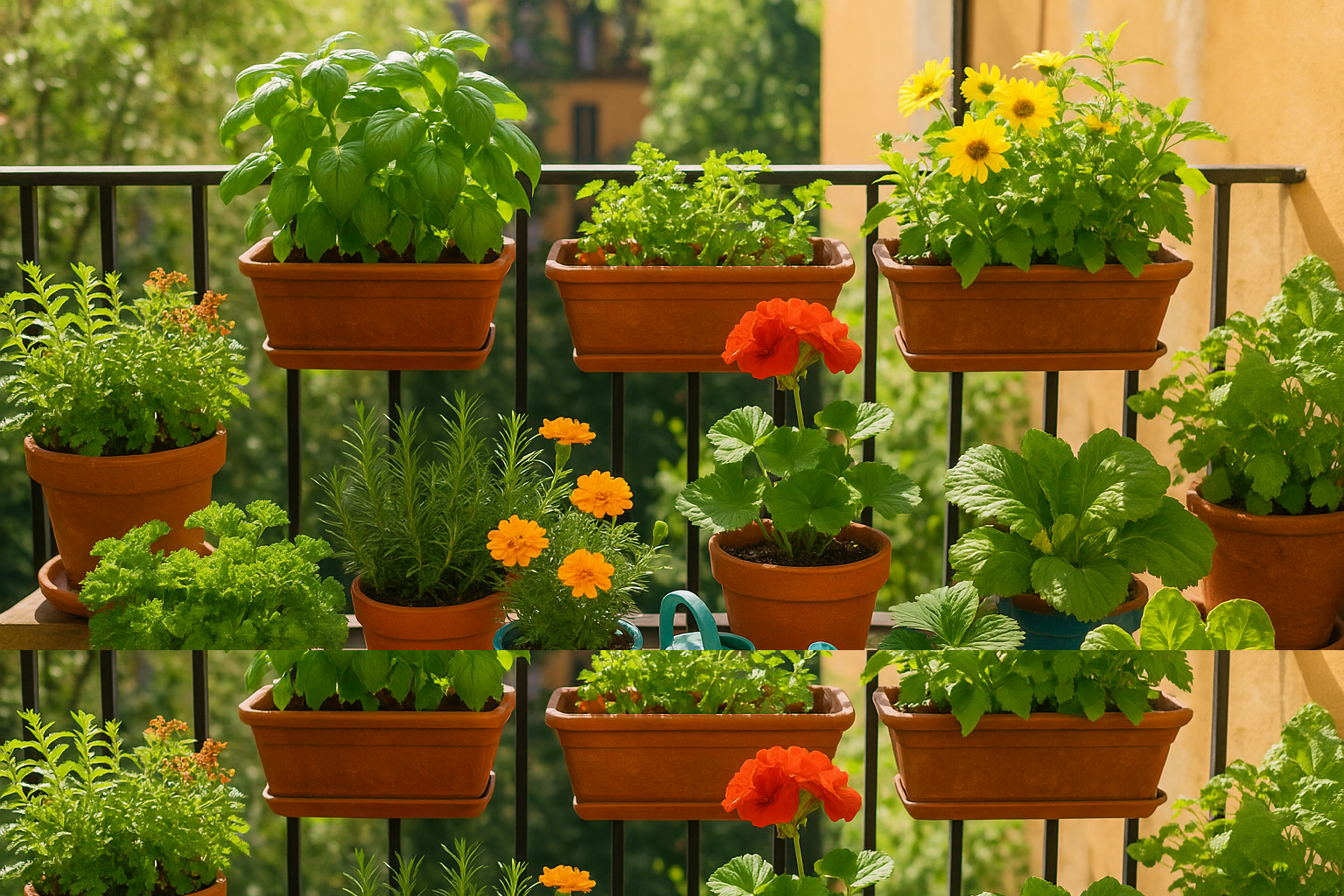
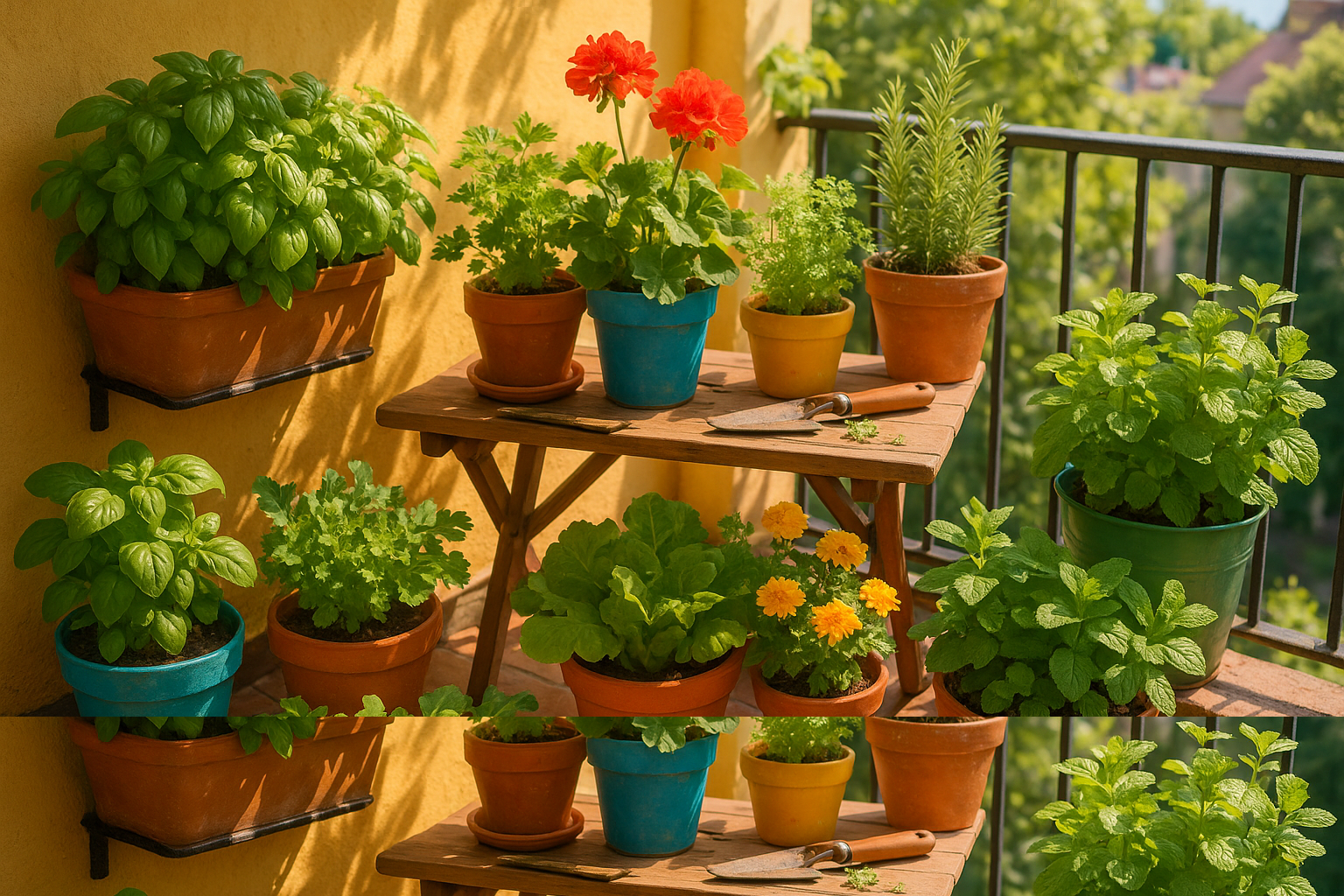
Container gardening is the most accessible urban method. You can use pots, grow bags, window boxes, and self-watering containers to cultivate vegetables, herbs, and flowers on patios or fire escapes. Containers reduce risk from soil contamination and give you mobility to follow the sun.
Choosing Containers and Soil
Use containers with good drainage and sufficient volume for the crop. A 5-gallon container works for many herbs; a 15–20 gallon is better for tomatoes and peppers. Use a lightweight, well-aerated potting mix with compost and consider adding perlite or coco coir.
Crop Guide: Tomatoes and Herbs
Here’s a concise table to help you grow tomatoes and common culinary herbs in containers.
| Crop | Light | Container Size | Soil | Watering | Support/Notes |
|---|---|---|---|---|---|
| Determinate Tomatoes | 6–8 hrs | 10–20 gal | Rich potting mix + compost | Even moisture; 1–2x/day in heat | Small trellis or cage |
| Indeterminate Tomatoes | 6–8 hrs | 15–25 gal | High-nutrient mix | Regular deep watering | Strong stake; prune suckers |
| Basil | 4–6 hrs | 1–3 gal | Well-draining | Keep slightly moist | Pinch flowers to promote leaf growth |
| Parsley | 3–5 hrs | 2–4 gal | Moist, rich | Moderate | Biennial; treat as annual |
| Thyme/Oregano | 4–6 hrs | 1–2 gal | Lean, well-draining | Drought-tolerant | Great perennial in zones 7+ |
Vertical Gardening: Maximize Small Footprints
Vertical gardening lets you multiply growing area using walls, trellises, pallet planters, and pocket systems. Vining crops (beans, peas, cucumbers, indeterminate tomatoes) and many herbs thrive vertically. Use vertical planters to create privacy screens and living walls that combine edible plants and ornamentals.
Tools and Tips for Vertical Systems
- Use sturdy anchors and lightweight planters on balconies.
- Install drip irrigation or capillary mats to keep upper containers watered.
- Rotate crops seasonally to reduce pest buildup.
High Tunnels, Greenhouses, and Controlled Environment Agriculture (CEA)
Season-extension structures like high tunnels, small greenhouses, and grow tents let you control temperature, humidity, and light. Controlled environment agriculture escalates that control with hydroponics, aquaponics, LED lighting, and climate systems — useful for year-round production of high-value items like microgreens and herbs.
High Tunnels vs. Green Roof CEA
- High tunnels: Ideal for small urban farms on vacant lots or community plots; inexpensive and effective for season extension.
- Greenhouses/CEA: Better suited for rooftops with structural capacity or indoor basements; enable precision growing and higher yields.
Microgreens and Herbs: Quick Yields, Big Nutrition
Microgreens and herbs are perfect for urban growers with limited space. They require small trays, minimal lighting (but benefit from bright, indirect light or LEDs), and harvest in 7–21 days for microgreens or weeks for herbs.
Quick Microgreen How-To
- Use a shallow tray with a sterile growing medium.
- Broadcast seeds densely, keep moist, and harvest at the cotyledon stage.
- Rotate trays under grow lights for uniform growth.
Edible Landscaping and Community Gardens
Edible landscaping integrates food-producing plants into ornamental beds — think fruiting shrubs, perennial herbs, and berry canes woven into public or private green spaces. Community gardens transform vacant lots into shared plots, improving food access and neighborhood cohesion.
Community Gardens: Benefits
- Increase local food supply and food security.
- Offer shared composting and tool resources.
- Provide educational opportunities and community-supported agriculture (CSA) models.
Urban Farms and Community Supported Agriculture (CSA)
Urban farms operate on rooftops, lots, or vertical systems and supply farmers markets, CSAs, restaurants, and food banks. CSAs connect consumers directly to farmers via subscription shares, supporting local food systems and resilient urban economies.
Soil Health, Composting, and Remediation
Healthy soil is the backbone of productive gardens. In cities you’ll confront compacted soils, low organic matter, and sometimes contamination (lead, cadmium).
Composting in the City
Composting reduces waste and builds soil fertility. Use tumblers, vermicomposting (worms), or community compost hubs. Finished compost improves structure, water retention, and nutrient content.
Soil Contamination and Remediation Methods
- Test soil for heavy metals and toxins before planting edible roots or leafy greens.
- Use raised beds with clean soil and a barrier fabric to prevent root contact with contaminated native soil.
- Phytoremediation: plant species (sunflower, Indian mustard) can extract certain contaminants over time; this is long-term and requires proper disposal of plant material.
- Biochar and compost can bind some contaminants and improve soil health, but they don’t fully remove heavy metals.
- CEA and container gardening are the safest options when contamination is high.
Perennial Plants, Biodiversity, and Drought-Resistant Species
Perennials like asparagus, rhubarb, rosemary, and certain berry bushes offer long-term yields and support biodiversity. Choose plants suited to your USDA hardiness zone to ensure winter survival and long-term productivity. In water-limited settings, select drought-resistant species — lavender, sedum, thyme, and certain native grasses — to conserve water.
Pollinators, Local Wildlife, and Hobby Beekeeping
City gardens can become vital habitat for pollinators and beneficial insects. Plant a variety of flowering species across the season, including native plants, to sustain bees, butterflies, and other pollinators.
Attracting Pollinators
- Include diverse bloom times and flower shapes.
- Provide shallow water sources and shelter (brush piles, native hedges).
- Avoid broad-spectrum pesticides.
Hobby Beekeeping
Beekeeping in urban settings is increasingly popular. Before starting:
- Check local ordinances and neighbor agreements.
- Start with one hive and educate neighbors.
- Bees boost fruit set and overall yields but require commitment to hive health and seasonal management.
Rain Gardens and Stormwater Management
Rain gardens capture runoff from roofs and hardscapes, filtering water through plant roots and soil. They reduce flood stress on urban drainage systems and create habitat for pollinators and beneficial insects.
Rain Garden Basics
- Locate downhill from roofs or pavement.
- Use native, water-tolerant plants that can handle both wet and dry cycles.
- Layer with mulch and a well-draining soil mix.
Upcycling Materials and Sustainable Practices
Urban gardeners often rely on upcycled materials — salvaged wood for raised beds, used containers, repurposed gutters for herb channels. Upcycling reduces waste and cost, but avoid materials that leach toxins (treated lumber with arsenic, certain painted containers).
Composting, Water Recycling, and Energy-Efficient CEA
- Reuse kitchen scraps for compost.
- Collect rainwater in barrels for irrigation (check local regulations).
- In CEA, select energy-efficient LEDs and recycle nutrient solutions where possible.
Tools Every Urban Gardener Should Know
A few targeted tools elevate your efficiency in tight spaces. Below is a practical table.
| Tool | Purpose | Compact Alternatives |
|---|---|---|
| Hand trowel | Planting, soil work | Folding trowel |
| Pruning shears | Harvesting, pruning | Micro-snip for herbs |
| Soil probe/pH meter | Test soil depth and acidity | Test kits |
| Watering can | Gentle watering | Hose with gentle nozzle |
| Drip irrigation kit | Efficient watering | Soaker hose + timer |
| Grow lights (LED) | Indoor/CEA light | Clip-on LED for small spaces |
| Seedling heat mat | Germination | Sunny windowsill |
| Trellis/Netting | Support vining crops | Bamboo poles, recycled wire |
| Worm bin | Vermicomposting | Small countertop bin |
Specific Crop Guides: Tomatoes, Herbs, and More
You should tailor micro-practices for key crops. Below are practical tips.
Tomatoes (Container and Small-Space Guide)
- Choose variety by space: determinate for containers and compact gardens; indeterminate for larger plots or vertical support.
- Soil: rich potting mix with slow-release fertilizer or regular liquid feeding.
- Watering: tomato plants like consistent moisture; mulching helps.
- Support: cages or stakes; for indeterminate types, use vertical string systems.
- Pruning: remove lower leaves and suckers for indeterminate types to channel energy into fruits.
- Common pests/diseases: aphids, blossom end rot (nutrition/water imbalance), and fungal diseases — rotate crops and use mulch.
Herbs (Container and Perennial Guide)
- Basil: warm-season annual; pinch to keep bushy.
- Rosemary/Thyme: woody perennials; need good drainage and full sun; suitable for sunny balconies and green roofs.
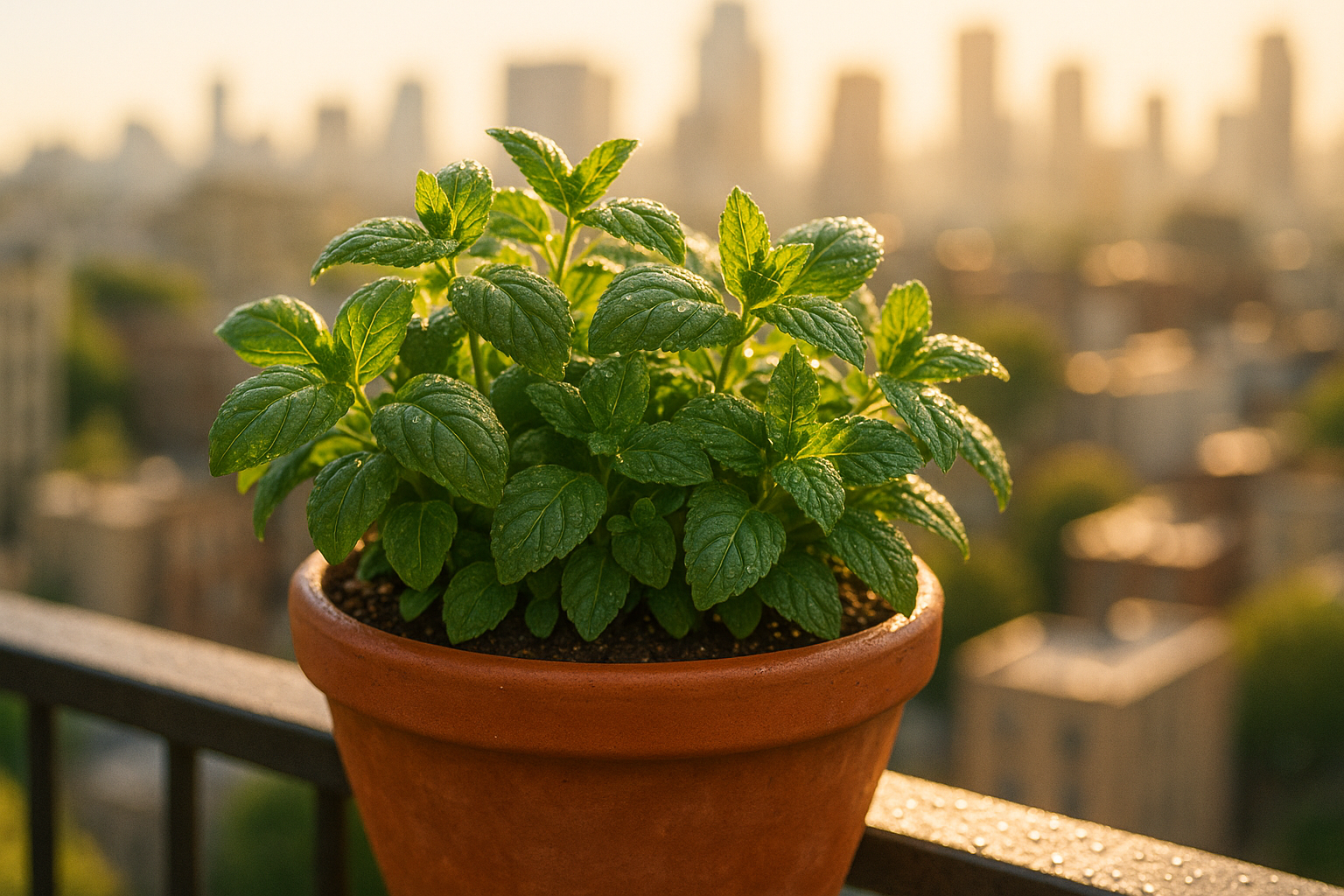
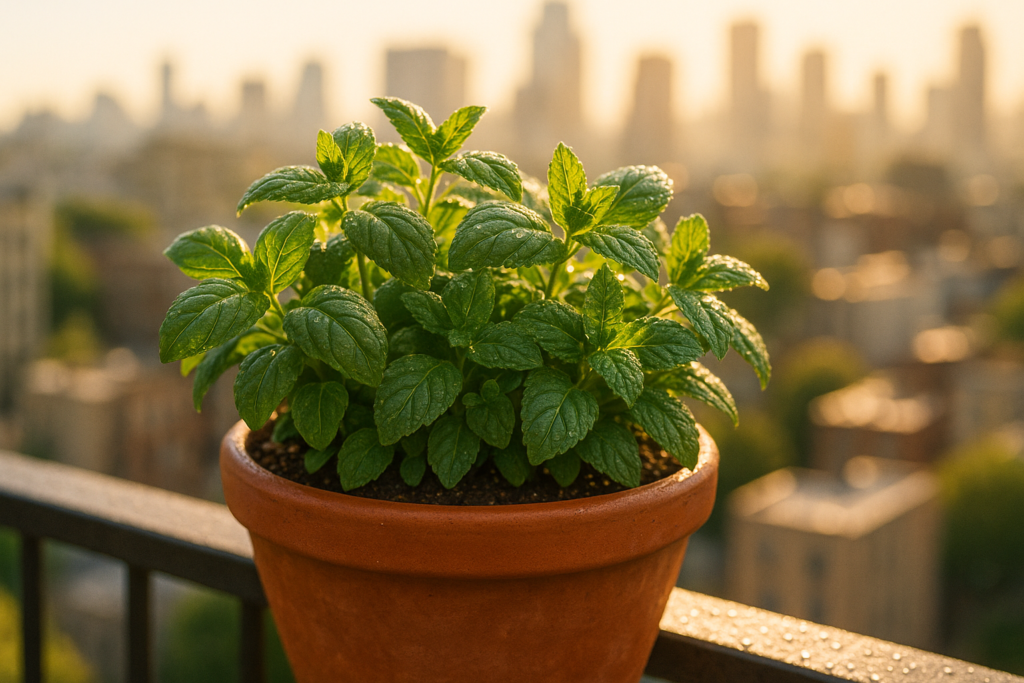
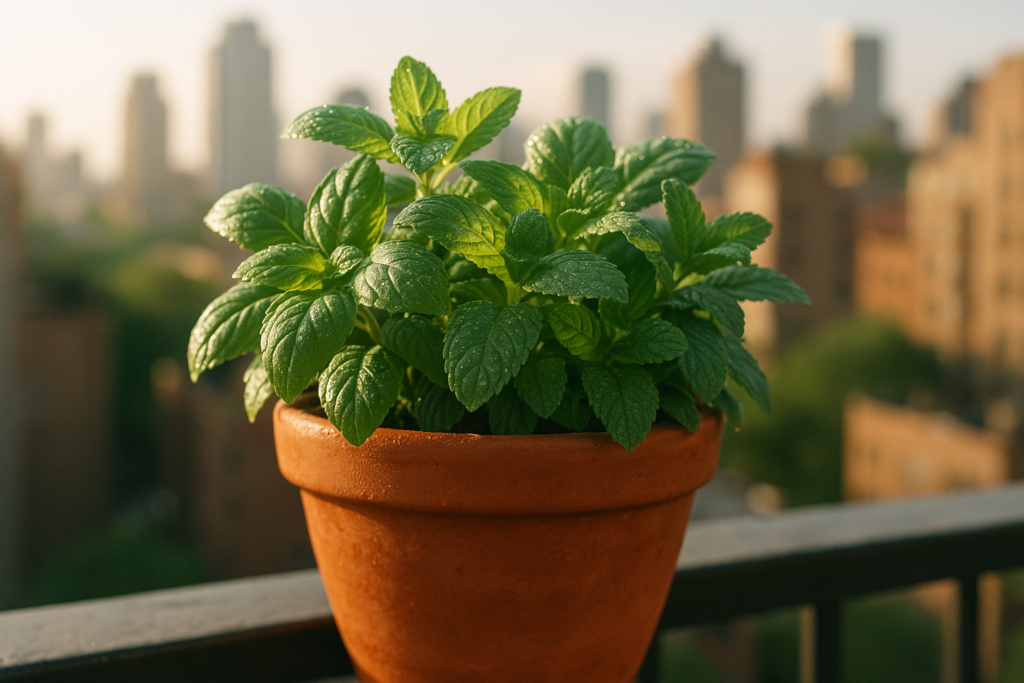
- Mint: aggressive spreader; grow in pots to contain roots.
- Harvesting: take from the top to encourage fuller growth; for perennials, avoid heavy harvests late in the season.
Case Studies: Successful Urban Garden Projects
Real-world examples can inspire your approach and show what’s possible.
Brooklyn Grange (New York City)
A commercial rooftop farm producing vegetables for markets and restaurants. They demonstrate how professional rooftop farms integrate lightweight soil systems, water capture, pollinator habitat, and CSA distribution to create a profitable urban agriculture model.
Havana’s Organopónicos (Cuba)
City farming systems developed from necessity, using raised beds, organic practices, and local inputs to supply fresh produce to neighborhoods. These gardens are a model for community-led food security and resilient practices.
Detroit Urban Farms (Michigan)
Community-driven initiatives have reclaimed vacant lots to provide fresh produce, job training, and neighborhood renewal. Projects like the Michigan Urban Farming Initiative emphasize social impact along with production.
Methods for Urban Soil Remediation (Practical Steps)
When you encounter contaminated urban soils, follow a measured approach:
- Test: Use a certified lab for heavy metals and chemical contamination testing.
- Contain: Use raised beds with geotextile liners to separate clean soil from native soil.
- Amend: Add compost, biochar, and lime (where appropriate) to minimize contaminant uptake.
- Phytoremediate with caution: Certain species accumulate metals — remove and discard harvested biomass properly.
- Grow safe crops: Favor fruiting crops (tomatoes, peppers) over leafy greens when contamination is moderate, because fruiting crops often translocate fewer heavy metals to edible parts.
Biodiversity and Wildlife Considerations
Your urban garden can be a refuge for biodiversity. Mix native perennials, nectar plants, and structural features like birdhouses and brush piles to support insects, birds, and small mammals. Avoid mass monocultures; interplanting reduces pest pressure and increases resilience.
Mental Health Benefits of Urban Gardening
Gardening in cities reduces stress, increases feelings of competence and agency, and fosters social connections. Regular outdoor activity and sensory engagement with plants improve mood and cognitive focus. Community gardens, in particular, offer shared purpose and social bonding that can reduce loneliness.
Seasonal and USDA Hardiness Zone Tips
Know your USDA hardiness zone to select perennials that will survive your winters. For seasonal planning:
- Spring: plant cool-season crops (lettuce, peas, brassicas).
- Summer: warm-season crops (tomatoes, peppers, basil).
- Fall: succession plant for cool-season harvests or use high tunnels for extension.
- Winter: grow hardy greens in cold frames or microgreens under lights.
Watering Strategies and Drought-Resistant Planting
Use mulch, drip irrigation, and drought-resistant species to reduce water use. Group plants with similar water needs together (hydrozoning). For rooftop and container gardens, use water-retentive mixes and self-watering containers.
Maintenance: Pest Management and Seasonal Tasks
Practice integrated pest management (IPM): monitor, encourage predators, use physical barriers, and choose disease-resistant varieties. Rotate crops each year where possible and refresh container soils every 1–2 seasons with compost.
Community Building: Organizing and Starting a Community Garden or CSA
To start a community garden:
- Secure land and permissions from the landowner or municipality.
- Form a governance structure and rules for plot use, composting, and shared resources.
- Partner with local nonprofits, farmers markets, or CSA programs for distribution and support.
CSAs in urban areas can be run from rooftop farms, lot-based urban farms, or consolidated through neighborhood distribution hubs.
Final Practical Checklist for Urban Garden Success
- Test and amend soil or commit to containers/raised beds.
- Choose crops by sunlight and space; prioritize quick returns like microgreens and herbs.
- Invest in a few good tools and a pH test kit.
- Set up composting and rainwater capture if allowed.
- Build habitat for pollinators and consider hobby beekeeping if legal and manageable.
- Use upcycled materials mindfully and avoid toxic-treated wood.
- Plan for seasonal succession and protect plants with high tunnels or row covers.
Frequently Asked Questions
What do you mean by urban gardening?
Urban gardening refers to growing edible and ornamental plants within a city or built environment using methods suited to limited space — containers, rooftop beds, vertical systems, community plots, and indoor controlled environments. It aims to provide fresh food, green space, habitat, and social benefits for urban residents.
What is the 70/30 rule in gardening?
The 70/30 rule often advises allocating 70% of your garden to low-maintenance, high-impact plants (perennials, native species, and drought-tolerant plants) and 30% to experimental or high-maintenance crops (new vegetables, annuals, or delicate varieties). It helps maintain productivity while reducing long-term labor.
What is gardening urban?
“Gardening urban” is another way to describe urban gardening — cultivating plants in city environments through creative use of space, such as balconies, rooftops, community gardens, and vertical systems. It emphasizes adapting techniques to the constraints and opportunities of urban living.
What is the 80 20 rule in gardening?
The 80/20 rule in gardening suggests focusing 80% of your efforts on well-established, reliable practices (soil health, proper watering, good varieties) and 20% on experimentation or novel crops and techniques. This balance maximizes consistent yields while allowing innovation.
If you want, I can create a customized plan for your specific balcony or a planting calendar that aligns with your USDA hardiness zone and sunlight conditions. Which space are you planning to green?