Have you ever thought about how urban gardening could transform your city life? The concept of cultivating plants in a metropolitan environment is gaining popularity as more people discover the multitude of benefits it offers. Not only does it bring greenery into your surroundings, but it can also positively impact your health, community, and even your wallet.
What is Urban Gardening?
Urban gardening refers to the practice of growing plants in an urban setting, which can include anything from small indoor plant arrangements to larger community gardens. It’s a way to bring nature into cities where green spaces may be limited.
Types of Urban Gardening
Urban gardening isn’t a one-size-fits-all practice; it comes in various shapes and sizes to fit your lifestyle and living space.
-
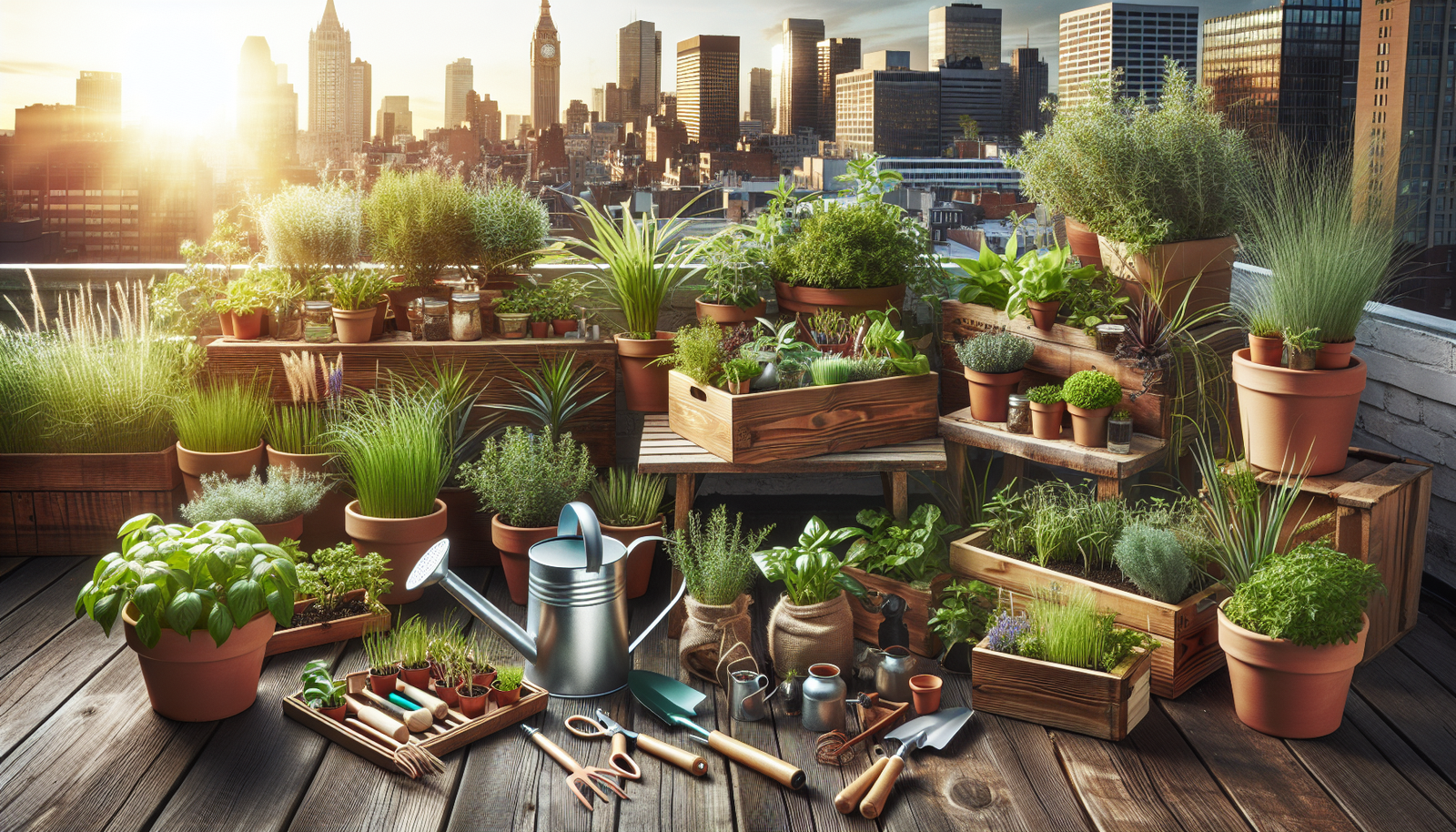
Container Gardening: Perfect for those with limited space, container gardening involves growing plants in pots or other containers placed on a balcony, windowsill, or rooftop.
-
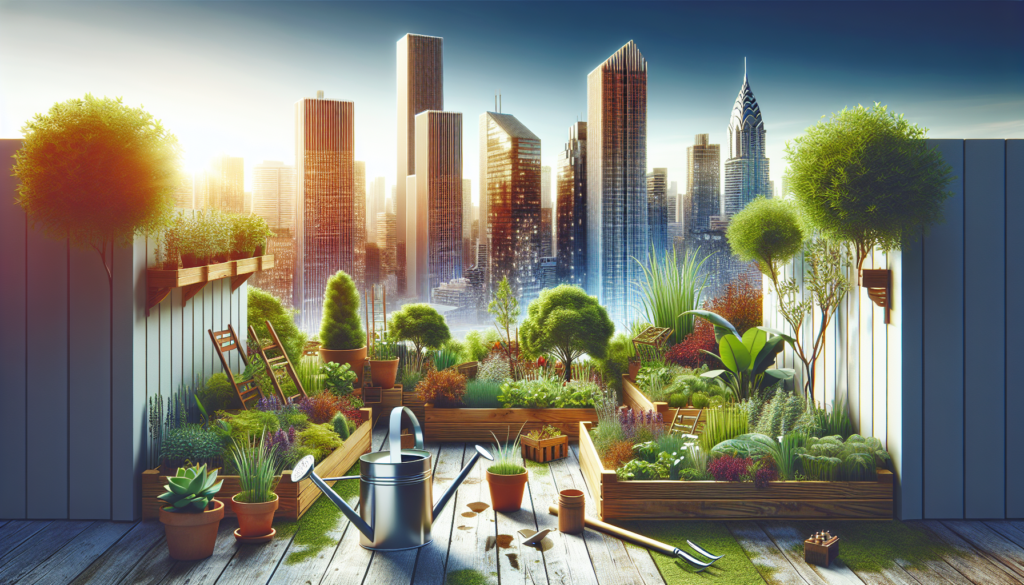
Rooftop Gardens: Utilizing the flat roofs of urban buildings, rooftop gardens transform these once barren areas into lush green spaces.
-
Community Gardens: These are shared spaces where different city dwellers come together to cultivate and maintain a garden, promoting community interaction and cooperation.
-
Vertical Gardening: Ideal for small spaces, vertical gardening utilizes walls or hanging structures to grow plants vertically.
These types can be implemented based on your space availability, resources, and interest in engaging socially with others.
Environmental Benefits of Urban Gardening
Improvement in Air Quality
Urban gardening can significantly improve the air quality in your city. Plants naturally filter the air by absorbing carbon dioxide and releasing oxygen. Moreover, they can remove pollutants such as benzene and formaldehyde, which are common in urban environments.
Reduction of Urban Heat Island Effect
The urban heat island effect is a phenomenon where city areas become significantly warmer than their rural surroundings due to human activities. Gardens, especially on rooftops, can help reduce these heat levels. Plants provide shade and release moisture into the atmosphere, thereby cooling the air.
Biodiversity Preservation
By incorporating a variety of plant species, urban gardening can create habitats for different types of wildlife, such as birds, bees, and other beneficial insects. This contributes to the preservation of biodiversity within city landscapes.
Stormwater Management
Urban gardens aid in managing stormwater runoff, reducing the burden on municipal drainage systems. The soil and plants absorb rainwater, preventing flooding and reducing water pollution.
Health Benefits of Urban Gardening
Physical Health
Gardening is a form of physical activity that can increase your daily movement, helping to improve cardiovascular health and build strength. Activities like digging, planting, and weeding also contribute to burning calories.
Mental Health
Engaging with plants has been shown to reduce stress and anxiety levels. It offers therapeutic benefits, providing a sense of calmness and relaxation. Regular interactions with nature can improve your mood and mental well-being.
Nutritional Benefits
Urban gardening allows you to grow your own fruits, vegetables, and herbs, which can lead to healthier eating habits. Consuming fresh produce from your garden ensures that you’re getting nutrients without the chemicals often found in store-bought varieties.
Economic Benefits of Urban Gardening
Cost Savings on Groceries
By growing your own food, you can significantly cut down on your grocery bill. Even a small garden can produce a considerable amount of vegetables and herbs, which are often expensive when purchased from a store.
Possible Income Source
For some, urban gardening can turn into a side hustle. Selling surplus produce, seedlings, or even homemade gardening products like jams and pesto can generate extra income.
Increased Property Value
Homes with gardens or access to community gardens can see an increase in their property value. Buyers often seek out properties that offer the benefits of green spaces, which can make your home more attractive on the market.
Social Benefits of Urban Gardening
Community Building
Urban gardening fosters a sense of community by bringing people together with a common interest. Community gardens become social hubs where individuals from diverse backgrounds collaborate and share knowledge.
Educational Opportunities
Gardens offer an excellent platform for learning. They can be an educational resource for children and adults alike, teaching about biology, ecology, and sustainability. Workshops and gardening clubs can emerge, providing continuous learning opportunities.
Cultural Exchange
Gardens can often reflect the cultural diversity of a neighborhood. By exchanging seeds and gardening techniques, you can share and learn about different cultures and traditions.
Challenges of Urban Gardening
While urban gardening offers numerous benefits, it’s not without its challenges.
Space Limitations
Finding adequate space in urban environments can be challenging. However, creative solutions like vertical gardening and container gardening can help maximize even the smallest areas.
Pollution
Urban areas can have higher levels of pollution, which can affect the quality of soil and air for gardening. Understanding and mitigating these risks, like using raised beds with fresh soil, can be crucial.
Watering Concerns
Securing a regular water supply can be an issue, especially in buildings without adequate plumbing for outdoor use. Finding sustainable solutions like rainwater collection systems can address these concerns.
Pests and Diseases
Urban gardens can attract pests and diseases, just as rural gardens do. Implementing organic and sustainable pest management practices helps maintain a healthy garden environment.
Getting Started with Urban Gardening
Assess Your Space
Evaluate the space available to you. Whether it’s a balcony, rooftop, or a shared community space, understanding your area will help you plan effectively.
Choose the Right Plants
Select plants that are suitable for your climate and environment. Consider your space and light availability when choosing plants.
Gather Necessary Tools
Basic gardening tools such as pots, soil, seeds, gloves, a watering can, and a trowel are necessary to start. Consider investing in quality tools for better durability.
Plan Your Garden
Organize your garden layout with your plants in mind, taking into account their spacing and sunlight requirements. Enthusiasm can sometimes cause over-planting, but a planned approach ensures healthy growth.
Join or Learn from Communities
Consider joining a local gardening group or online community where you can learn from and share experiences with others. Many urban gardeners love to share advice and tips.
The Future of Urban Gardening
Urban gardening is poised to play a crucial role in shaping sustainable city living. Its benefits extend beyond the obvious, offering solutions to some of the greatest challenges urban spaces face today. As cities continue to grow and evolve, integrating more green spaces can lead to healthier, more engaged, and resilient communities.
By adopting urban gardening, you contribute to a movement that values sustainability, health, and community. Whether you’re growing a single herb plant in your kitchen or are part of a larger community garden, every plant makes a difference in enriching your life and the environment around you. So why not roll up your sleeves and allow urban gardening to blossom wherever you call home?