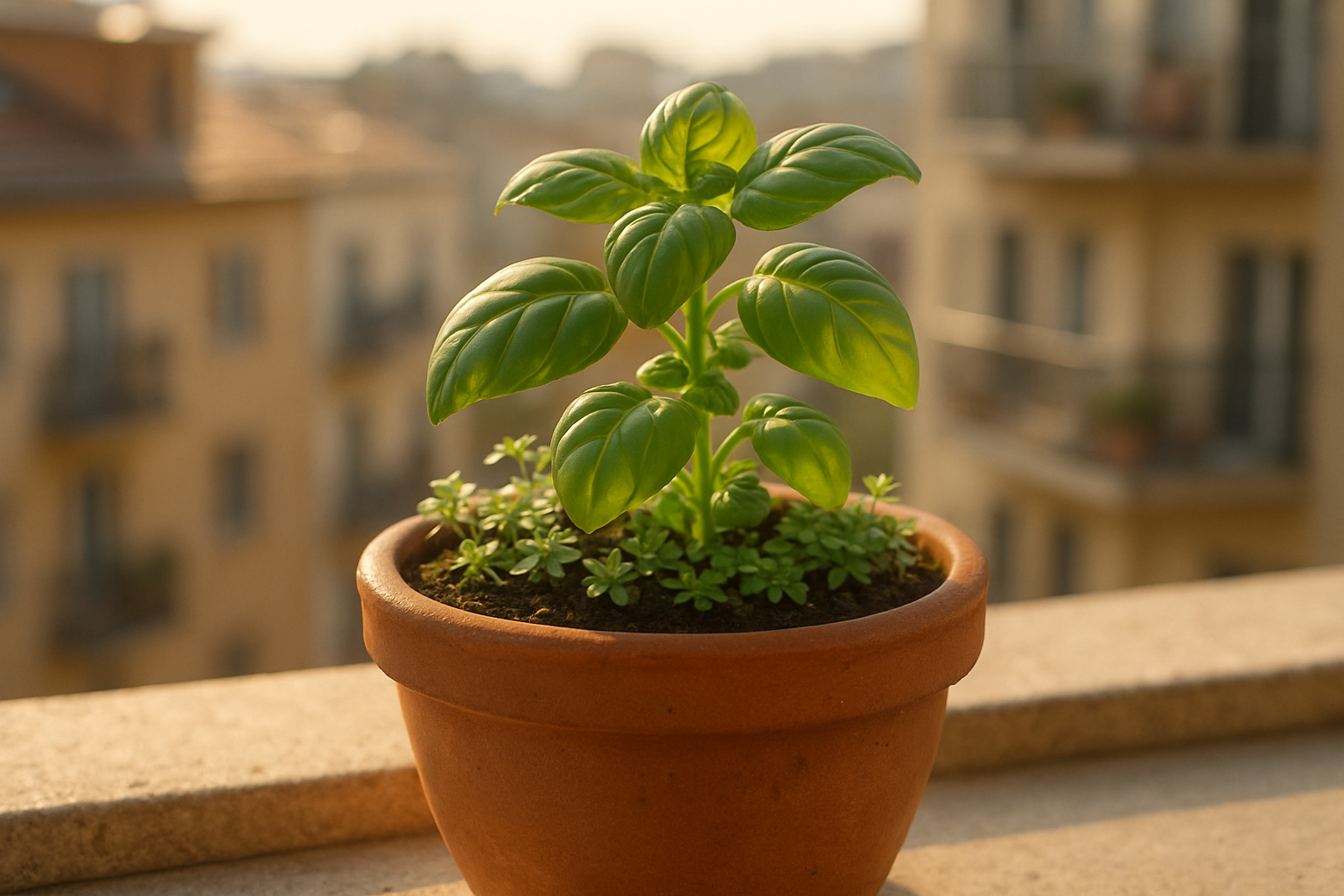
Have you ever imagined harvesting fresh herbs, salad greens, or even tomatoes from a balcony, rooftop, or narrow windowsill?
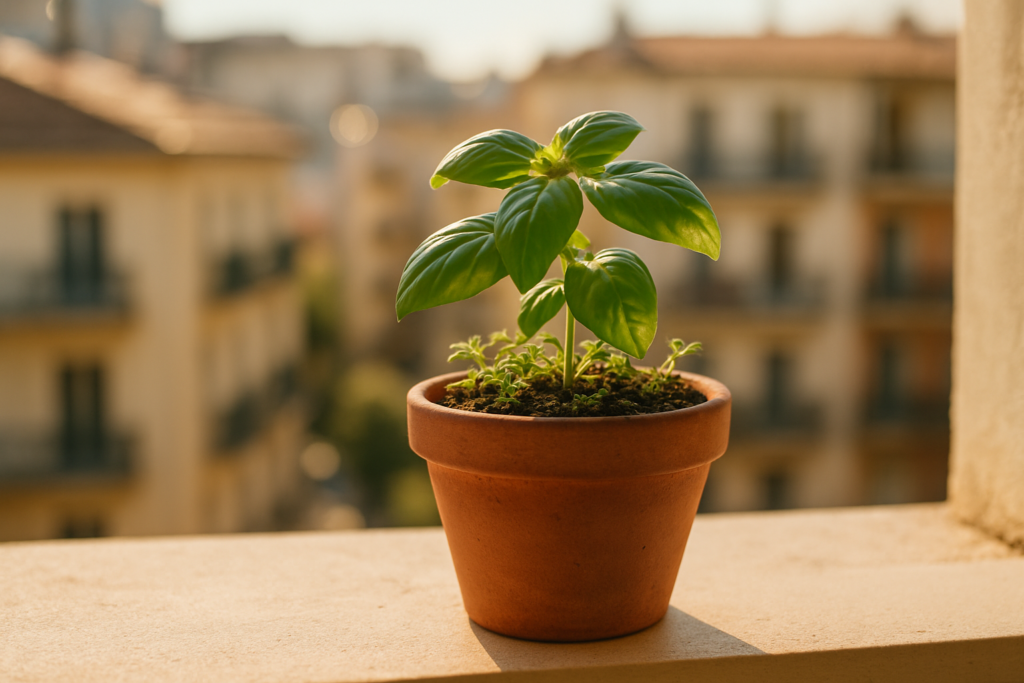
Urban Gardening for Small Spaces
Urban gardening lets you grow food, flowers, and habitat in tight places. In this guide you’ll get practical techniques for container gardening, vertical gardening, rooftop gardens, and other approaches so you can build a productive, biodiverse, and calming green space no matter the size.
Why Urban Gardening Matters
Urban gardening connects your daily life to local food systems and sustainable agriculture. By growing food close to where people live, you reduce transportation emissions, strengthen local food networks like CSAs (Community Supported Agriculture), and support urban farms and community gardens that fuel local economies.
Urban gardens also boost local biodiversity and provide food and shelter for pollinators. They create microhabitats in cities where native plants, insects, and birds can thrive, helping green infrastructure and resilience. Finally, gardening directly benefits your mental health by reducing stress, increasing activity, and offering purpose and sensory engagement.
Assess Your Space and Conditions
Before planting, measure your available area, note sun exposure, wind, and weight limits (especially for balconies and rooftops). Understand your USDA hardiness zone — this tells you which perennial plants and overwintering strategies are likely to succeed.
Also consider building regulations, water access, and whether the surface can support raised beds or heavy containers. A quick site assessment saves time and money and helps you choose the right techniques: container gardening, vertical systems, small raised beds, or hydroponics/aquaponics.
Small-Space Techniques That Work
You can grow a surprising amount in compact areas if you choose the right methods. Use the technique that matches your goals—fresh herbs vs. longer-term vegetables—and physical constraints.
Container Gardening
Container gardening is the backbone of small-space urban agriculture. Pots, tubs, grow bags, and recycled containers allow you to plant anywhere there’s sunlight and water. Use appropriately sized containers for root systems and ensure drainage.
Benefits include mobility, reduced soil-borne disease risk, and suitability for balconies, patios, and windowsills. Pair with vertical structures to maximize yields.
Vertical Gardening
Vertical gardening multiplies square footage by using walls, trellises, shelves, and pocket planters. It’s ideal for climbers (peas, beans), vining tomatoes, strawberries, and leafy greens in stacked systems. Vertical setups also improve airflow and make maintenance ergonomic.
Hydroponics and Aquaponics
Soilless systems let you grow intensively in very small footprints. Hydroponics uses nutrient solutions to feed plants; aquaponics couples fish and plants so fish waste becomes fertilizer. Both are water-efficient and fast-growing options for balconies, sunrooms, or indoor setups.
Raised Beds and High Tunnels
If you have a courtyard or rooftop, low raised beds make soil management easier and can be lightweight. High tunnels (low-cost hoop houses) and cold frames extend seasons by protecting crops from wind and frost, which is powerful in urban settings where microclimates vary.
Rooftop Gardens
Rooftop gardens can be intensive or extensive; they provide insulation, stormwater benefits, and additional growing area. Make sure you consult structural engineers and use engineered lightweight growing media if weight is a concern.
Edible Landscaping
Edible landscaping blends beauty and food production—think rowanberry hedges, culinary herbs under windows, or fruiting shrubs along walkways. Edible flowers like nasturtiums, pansies, and borage add color and multi-use ingredients for salads and teas.
Choosing Plants: Perennials, Natives, and Pollinator-Friendly Species
Selecting the right plants reduces maintenance and supports local biodiversity. Perennial plants (asparagus, rhubarb, herbs like thyme and oregano) return each year and cut labor. Native plants are adapted to your hardiness zone and local pests, and they provide habitat for pollinators and beneficial insects.
Use a mix: perennial frameworks plus annuals for continuous harvests. Include pollinator-friendly plants (lavender, native asters, milkweed) and edible flowers (calendula, violas, nasturtium) for both culinary uses and ecological function.
Table — Good Small-Space Plant Picks by Use and Sun Exposure
| Use | Full Sun (6+ hrs) | Partial Shade (3–6 hrs) | Shade (<3 hrs)< />h> |
|---|---|---|---|
| Leafy Greens | Swiss chard, spinach | Lettuce mixes | Mache, sorrel |
| Fruiting Veg | Cherry tomatoes, peppers | Eggplant (part) | – |
| Herbs | Rosemary, basil | Parsley, cilantro | Mint, chives |
| Perennials | Asparagus, rhubarb | Salad burnet | Wild violets |
| Edible Flowers | Nasturtium, borage | Calendula | Violas |
Soil Quality, Composting, and Organic Gardening
Soil is arguably the most important factor. In containers and raised beds, use a high-quality mix rich in organic matter and with good drainage. Amend soil with compost to improve structure, water retention, and nutrient content.
Composting turns kitchen scraps and yard waste into rich material that feeds soil life. Urban composting options include worm bins (vermicomposting), bokashi, and community compost drop-offs. Composting not only closes nutrient loops but also reduces household waste.
Practice organic gardening: feed soils with compost and organic fertilizers, use physical barriers and companion planting to manage pests, and promote beneficial insects and pollinators. Avoid synthetic pesticides that harm bees and soil microbiota.
Tools and Equipment for Small-Space Urban Gardening
You don’t need a shed, but right tools make gardening efficient and enjoyable. Focus on compact, multifunctional, and ergonomic tools.
Table — Essential Tools & Equipment for Urban Gardening
| Tool/Item | Purpose | Notes |
|---|---|---|
| Hand trowel | Planting, potting | Look for comfortable grip |
| Pruners (bypass) | Pruning, harvesting | Sharp blades for clean cuts |
| Soil knife (Hori Hori) | Cutting, transplanting | Very versatile |
| Watering can w/ long spout | Targeted watering | Avoid oversaturation |
| Lightweight hose + pressure regulator | Watering larger areas | Use quick-connect fittings |
| pH tester / soil moisture meter | Monitor soil conditions | Useful for containers |
| Grow lights (LED) | Indoor or low-light areas | Choose full-spectrum LEDs |
| Trellis/obelisks | Support vertical crops | Collapsible options save space |
| Raised bed liners | Protect rooftop surfaces | Ensure drainage |
| Small compost bin / worm bin | Composting kitchen scraps | Fits balconies or small patios |
| Lightweight potting mix | Container growing | Look for peat-free mixes if possible |
Garden Maintenance and Season-Extension Techniques
Urban gardens require ongoing maintenance: watering, pruning, harvesting, and soil care. Develop a simple schedule for regular tasks and seasonal chores.
Table — Basic Maintenance Calendar
| Task | Frequency | Season |
|---|---|---|
| Watering (containers) | Daily in heat; every 2–3 days cool | Spring–Fall |
| Feeding (liquid compost tea or balanced organic fertilizer) | Every 2–4 weeks | Growing season |
| Pruning/Harvesting | Weekly | Growing season |
| Soil amendment (compost) | Annually | Fall or spring |
| Pest inspection | Weekly | Year-round |
| Preparing for winter (mulch, cover) | Once | Late fall |
Advanced season-extension techniques include high tunnels, mini hoop houses, thermal mass (water barrels that moderate temperature), and using heat-tolerant cultivars. For small spaces, roll-up hoop houses and cloche covers can add 4–8 weeks to your growing season.
Advanced Techniques: Hydroponics, Aquaponics, and Extending Seasons
Hydroponic towers and troughs work well in balconies and indoors when paired with LED lighting. Aquaponics systems suit hobbyists who want fish and plants integrated, supporting nutrient recycling.
To extend your season beyond basic covers, combine strategies: place containers against a warm south wall, use reflective surfaces to increase light, employ grow lights for early seedlings, and insulate containers for winter crops. High tunnels on rooftops or community garden plots give larger scale seasonal control.
Community Gardens, Urban Farms, and Local Food Systems
Community gardens and urban farms multiply impact: they increase food production, create green jobs, and return money to local economies. CSAs (Community Supported Agriculture) and farmers markets keep dollars local and provide fresh produce to neighborhoods. By participating in community garden plots or CSA shares, you support resilient local food systems and increase access to nutritious food.
Urban agriculture can stimulate micro-economies: small-scale produce sales, classes, compost services, and value-added products like pickles or herb blends. Municipal programs that support urban gardens often lead to reduced food insecurity and create neighborhood green hubs.
Pollinators, Biodiversity, and Native Plants
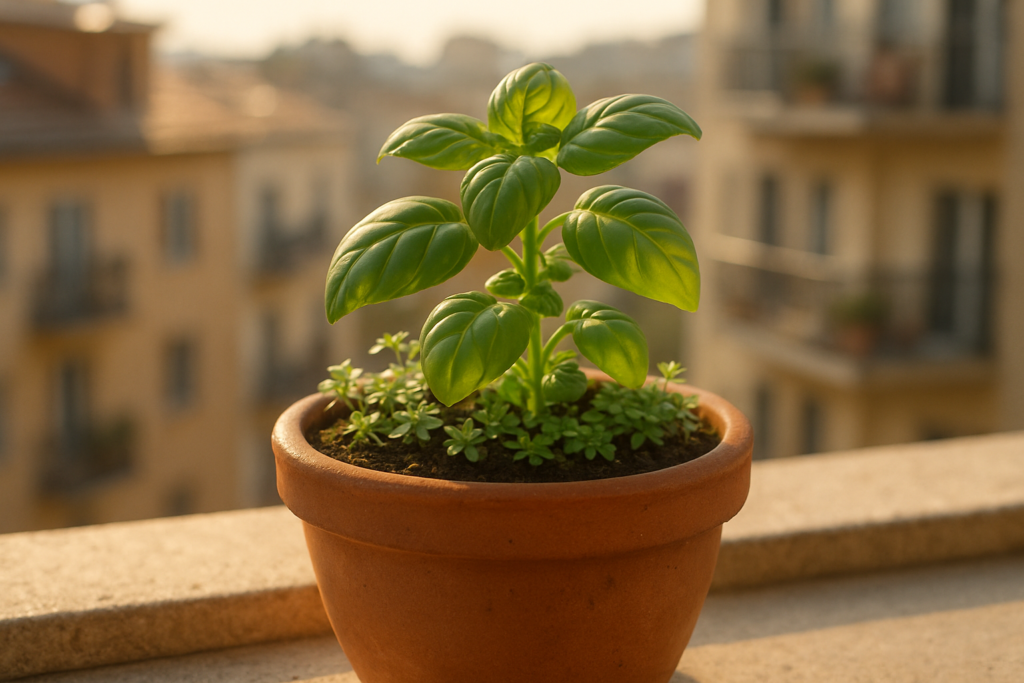
To increase local biodiversity, plant a mix of native flowering species and include habitat structures like bee hotels, shallow water features, and native shrubs. Pollinators like bees and butterflies are essential for many fruits and vegetables; providing continuous bloom from spring to fall ensures food for them.
Edible landscaping and integrating native plants support pollinators while supplying you with food. For example, planting native herbs and nectar-rich flowers near your vegetables improves pollination rates and yields.
Edible Flowers and Their Uses
Edible flowers add flavor, color, and culinary creativity. Use them in salads, syrups, garnishes, candied decorations, and herbal teas. Common edible flowers for small-space gardeners:
- Nasturtium: peppery leaves and flowers for salads.
- Calendula: petals add color and mild tang to dishes.
- Borage: cucumber-like flavor for drinks and desserts.
- Violas and pansies: colorful decorations for desserts and salads.
Always ensure flowers are grown without pesticides and are correctly identified before consumption.
Managing Pests and Disease Organically
Urban environments can reduce some pests but introduce others (squirrels, pigeons, aphids). Start with prevention: crop rotation in larger beds, clean containers, and healthy soil. Use physical barriers (netting, row covers), hand-picking, and beneficial insects. Organic sprays like neem oil, insecticidal soap, or diatomaceous earth are generally safer choices, but use them sparingly to protect pollinators.
Encourage predatory insects by planting insectary species (dill, fennel, yarrow) and offering habitat.
Mental Health Benefits and How to Integrate Them
Gardening offers tangible mental health benefits: reduced anxiety, improved mood, increased mindfulness, and a sense of purpose. To consciously integrate these benefits into your practice:
- Create a routine: short daily or weekly gardening rituals can anchor your day.
- Design sensory spaces: include fragrant herbs (lavender, rosemary), textural plants, and edible flowers to stimulate senses.
- Use gardening for mindfulness: pruning, seed-starting, and composting become meditative tasks.
- Socialize: join community garden groups or seed swaps for social support.
- Track progress: journal plantings and harvests to build accomplishment and resilience.
Therapeutic garden elements—benches, sheltered corners, and low-effort raised beds—make your garden accessible and restorative.
Impact on Local Economies
Urban gardening supports local economies by creating markets for seedlings, compost, tools, and locally grown produce. Community gardens and urban farms can create employment and training opportunities in horticulture, food processing, and distribution. Local food systems reduce leakage to distant supply chains and keep spending within neighborhoods, improving food security and community cohesion.
By selling surplus at farmers markets, participating in CSA models, or creating neighborhood produce boxes, you can monetize efforts and strengthen local supply chains.
Designing a Small-Space Garden: Practical Examples
Here are three short plans for common small-space scenarios:
Balcony Plan (5–8 ft)
- Use a combination of 2 large containers (15–20 gal) for tomatoes or peppers.
- Add a vertical pocket planter for lettuce and herbs.
- Hang railing planters with strawberries or cascading herbs.
- Place a small worm bin for composting kitchen scraps.
Windowsill/Apartment Interior
- Compact LED grow-light rack with 4–6 trays for microgreens and salad greens.
- Three small pots for herbs (basil, cilantro, chives).
- Hydroponic herb tower for continuous harvest.
Rooftop/Small Courtyard
- Two lightweight raised beds (4′ x 2′) with drip irrigation.
- High tunnel hoop for season extension.
- Fruiting pots for dwarf apple trees or fig in containers.
- Pollinator strip with native perennials and edible flowers.
Accessibility and Inclusive Design
Design with accessibility in mind: use raised beds at wheelchair height, wide paths, and ergonomic tools. Choose low-maintenance crops and automated drip irrigation if mobility or time is limited. Community gardens often include accessible plots—look for gardens designed to be inclusive.
Measuring Success and Scaling Up
Track yields, harvest frequency, and time spent gardening to understand efficiency. Use simple records: harvest logs and seasonal photos. If you want to scale, consider joining or starting a CSA, expanding to a community garden plot, or partnering with local restaurants or markets.
Resources and Next Steps
Start small and build soil, skills, and community networks. Seek local extension services for hardiness and pest advice, join online urban gardening groups, and participate in seed swaps and workshops. Many cities offer grants or incentives for rooftop gardens and urban agriculture projects.
Frequently Asked Questions
What do you mean by urban gardening?
Urban gardening is growing plants—vegetables, fruits, herbs, flowers—in cities and densely populated areas. It includes container gardening, rooftop gardens, community gardens, vertical systems, hydroponics, and small urban farms integrated into local food systems.
What is the 70/30 rule in gardening?
The 70/30 rule generally advises using about 70% of your garden space for reliable, high-yield staples and 30% for experimental or specialty plants. It helps balance productivity with variety; in containers, it can mean prioritizing most space for main crops and smaller areas for herbs or flowers.
What is gardening urban?
Gardening urban is the practice of cultivating plants within urban settings, utilizing strategies like container gardening, vertical gardens, community plots, and high-efficiency systems such as hydroponics. It focuses on maximizing limited space, supporting local biodiversity, and connecting residents to local food systems.
What is the 80 20 rule in gardening?
In gardening, an 80/20 approach often means dedicating 80% of effort to simple, high-impact practices (soil health, watering, pest prevention) and 20% to experiments or labor-intensive projects (new crops, advanced techniques). It encourages maintaining basic systems well while leaving room for innovation.
If you want, I can help you design a specific plan for your balcony or rooftop, list plant varieties suited to your hardiness zone, or create a seasonal task checklist for your project. Which space are you working with?